
When the People Who Give Are Feeling the Strain, Too
The hardest part of this job used to be convincing people just how widespread food insecurity had become in Middle TN.
But recently, I spend less time explaining it, because more people are feeling the pressure themselves.
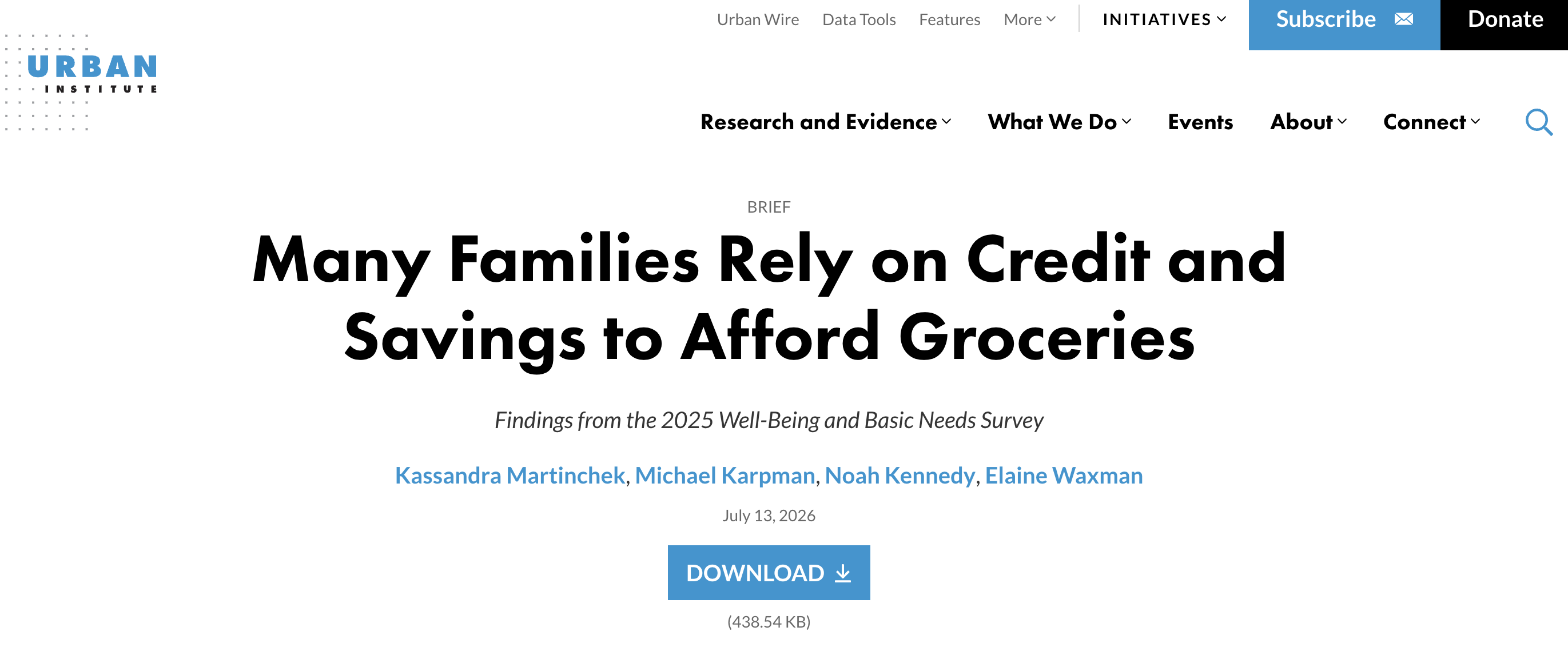
This summer, I read that 65% of Americans say groceries are unaffordable, according to a Washington Post-Ipsos poll from July. The number was striking, but it put words to something I’ve been noticing for a while.
For 3 years, the first 10 minutes of most presentations I gave were spent helping people understand what hunger looks like in Middle Tennessee. That it’s at a 10 year high. That many of the people experiencing it are working.
You’d think not having to make that case anymore would feel like progress.
It doesn’t.
And the income breakdown in that poll is what was most surprising.
82% of households earning less than $50,000 said groceries were unaffordable. Even among households earning more than $100,000, it was 56%.
Brad Paisley, our co-founder, has been saying this for as long as I’ve known him: hunger doesn’t look the way people picture it.
It looks like people who work. People raising families. People who have done what they thought they were supposed to do and are still finding that groceries, rent, medicine and everything else don’t quite add up.
That part isn’t new.
What feels different right now is how many more people understand that tension personally.
And lately, I’ve been thinking about what that means for the people on the other side of this work, too.
The people who fund this work are feeling it. So are our volunteers, our staff and our board members.
They aren’t standing outside the pressures facing the people we serve. They’re making many of the same calculations in their own households: whether to fill the tank, pay the medical bill, cover an unexpected expense or make the grocery budget stretch another week.
That matters because this work has always depended on people who believed they had enough stability to help create stability for someone else.
Now, the distance between “the people we serve” and “people like us” feels much smaller than many of us may have assumed. The same rising costs are shaping what people can give, how much time they have and how much extra weight they can carry.
Almost everything I’ve been taught about fundraising assumes the person you’re asking feels financially secure enough to help someone who isn’t.
I’m not sure that assumption holds the way it once did.And that unsettles me more than the poll itself.
Because I keep coming back to one question:
What happens to work like ours when the people carrying it and the people who need it are worried about the same grocery bill?
What I do know is that so many of you have kept showing up this year anyway. You’ve given when your own costs have gone up. You’ve volunteered when your time is stretched. You’ve stayed committed in a year when it would be understandable to pull back.
I don’t take that lightly.
Thank you.
As grocery costs continue to rise, food insecurity is becoming an increasingly familiar reality for families across Middle Tennessee. In this reflection, Brad explores how the growing financial pressures facing our neighbors are also affecting the donors, volunteers, and staff who make The Store's work possible. He considers what it means to sustain a mission when so many people are navigating the same economic uncertainty—and expresses gratitude for a community that continues to show up for one another, even when times are difficult.
More from The Store
The Connection Between Fresh Food and Better Health
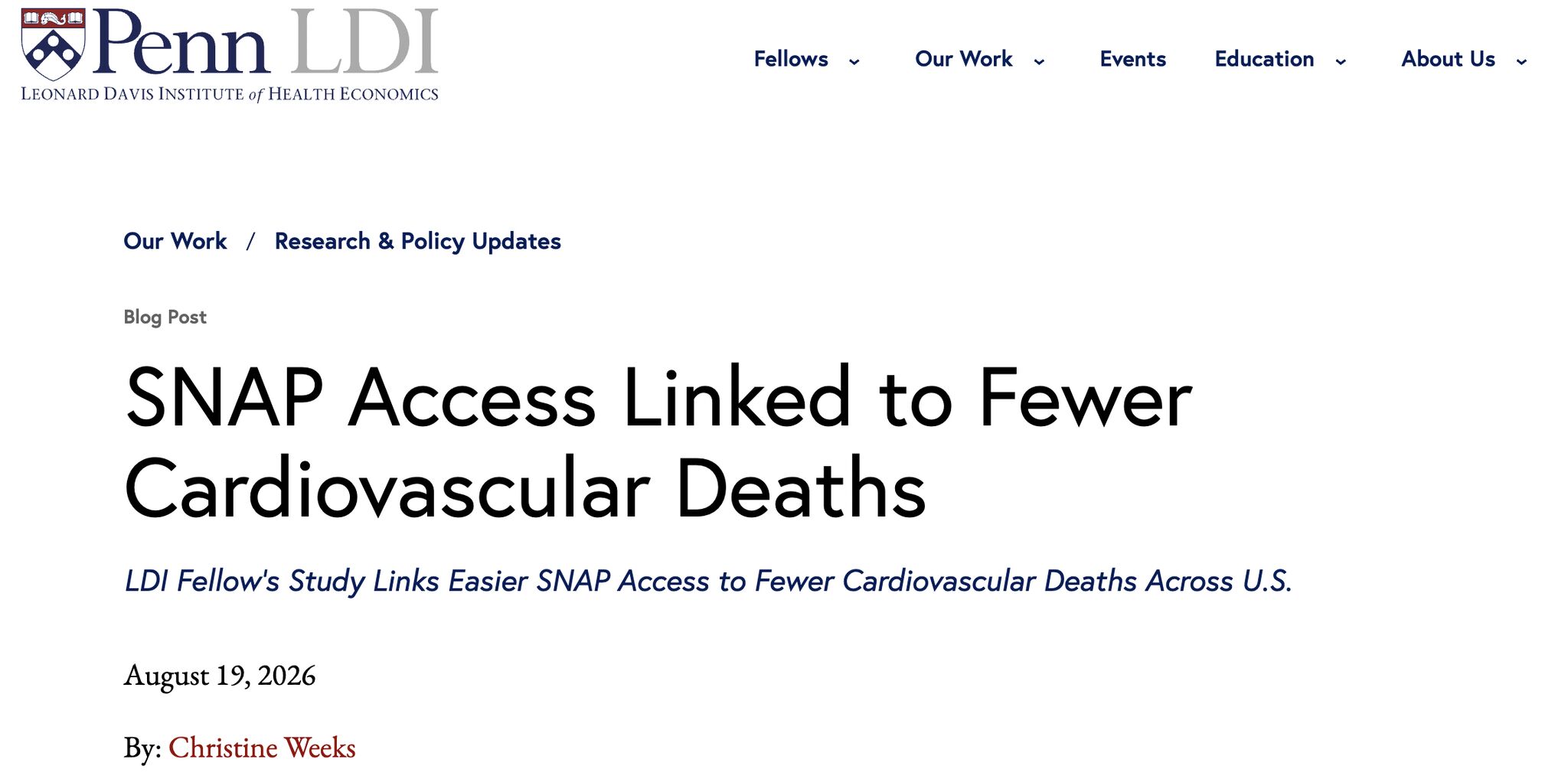
Access to nutritious food can make a difference far beyond the grocery aisle. New research highlights the connection between food assistance and heart health, while stories from The Store’s shoppers show how the freedom to choose fresh, healthy foods can support well-being and improve lives.
Read More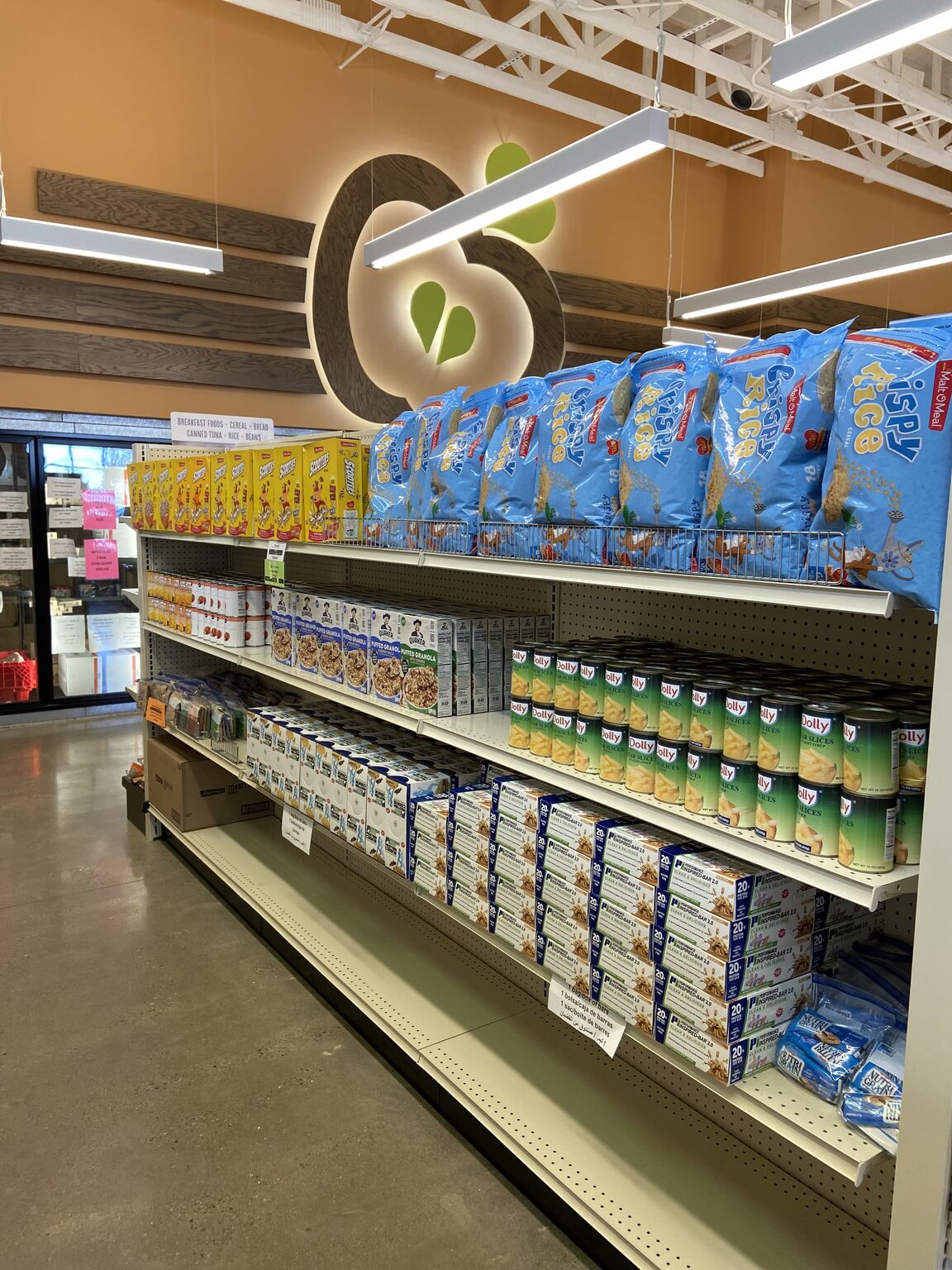
The Mila Aisle: What Dignity Looks Like at Seven
One family has given an aisle at The Store a special name: the Mila aisle, filled with a seven-year-old girl's favorite snacks and cereals. Through Mila's story, Collen reflects on what food security and dignity can mean for children—not just having food they enjoy at home, but having the freedom to focus on reading, dreaming about the future, and imagining the ways they'll one day contribute to their community.
Read More