
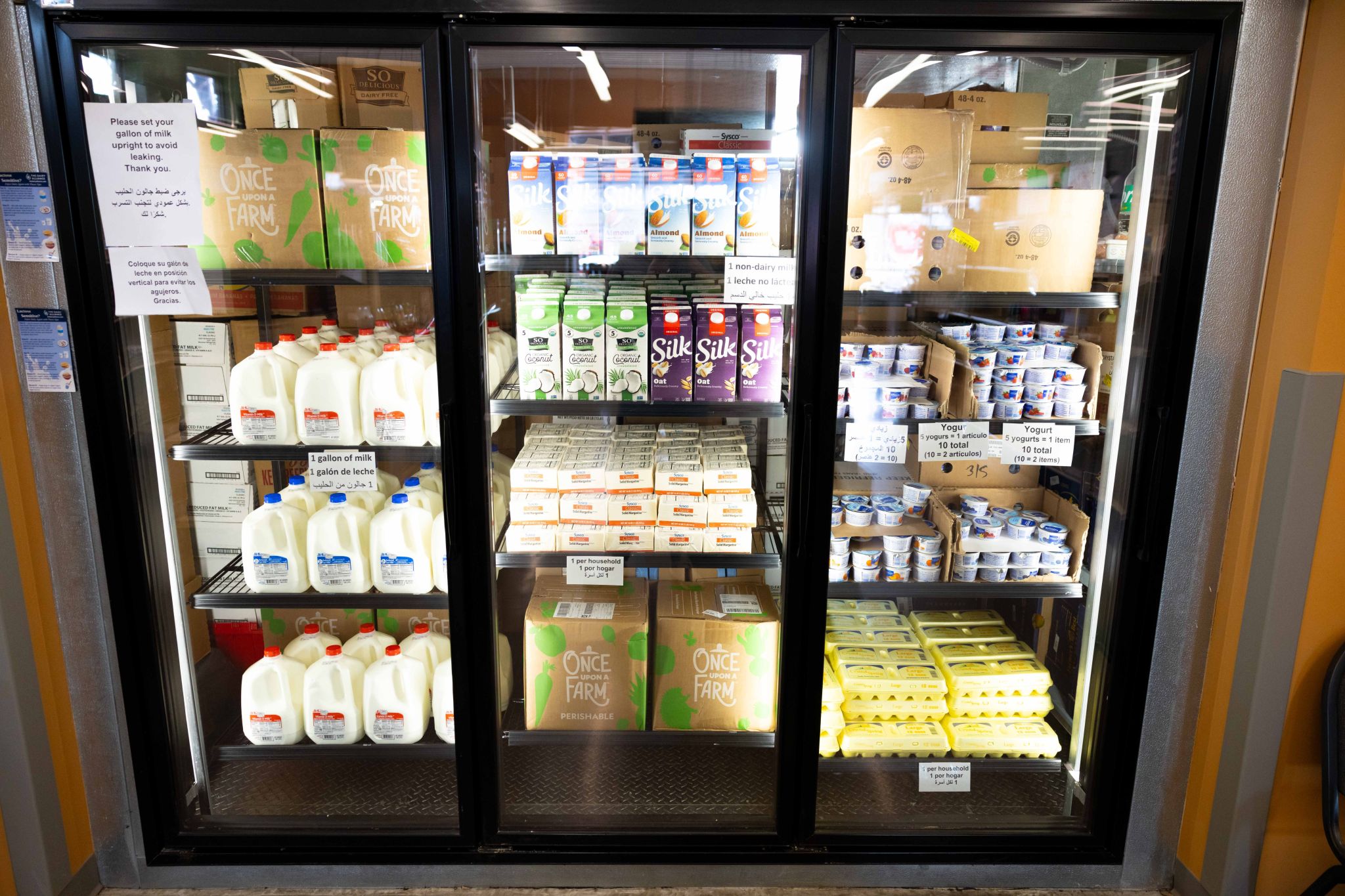
How Rising Fuel Costs Make Their Way to the Grocery Shelf
Follow one carton of milk from the dairy to the shelf and you’ll find it can ride in three different trucks.
Every one of those trucks runs on diesel. And diesel prices have climbed from about $3.70 a gallon a year ago to more than $6.30.
I’ll admit the oil markets behind those numbers are mostly beyond me. I’ve said before that I don’t fully understand all the forces moving our food supply chain. That hasn’t changed.What I do understand is what it does to a shelf.
At The Store, every dollar donated helps provide about four dollars in groceries and supportive services. That purchasing power comes from donated and discounted food, strong partnerships, and thousands of volunteer hours.
It’s a model we’re proud of. But it doesn’t make us immune to rising costs.
Freight sits underneath all of it.
When transporting food gets more expensive at multiple points along the way, some of those costs eventually find their way into the price of groceries.
And when prices rise, the same resources don’t stretch quite as far.
Nothing about the generosity behind those resources has changed.
I wrote a while back about one of our staff members who takes it personally when the pinto beans don’t come in. She isn’t thinking about diesel prices or freight costs.
She’s thinking about the person who came in for pinto beans.
That’s where this actually lands.
When fuel makes the news, most of us picture a longer drive to work or a more expensive trip to the gas station. But it shows up at the grocery store too, often later and less visibly. By then, we see the price without necessarily seeing what caused it.
For a family already choosing between the power bill and the cart, a supply chain they’ve never thought about just took something from them.
Nobody sent a notice.
Rising diesel prices affect more than the cost of filling up a gas tank. From transportation to grocery store shelves, increasing freight costs can put additional pressure on food prices and stretch already limited household budgets even further.
More from The Store
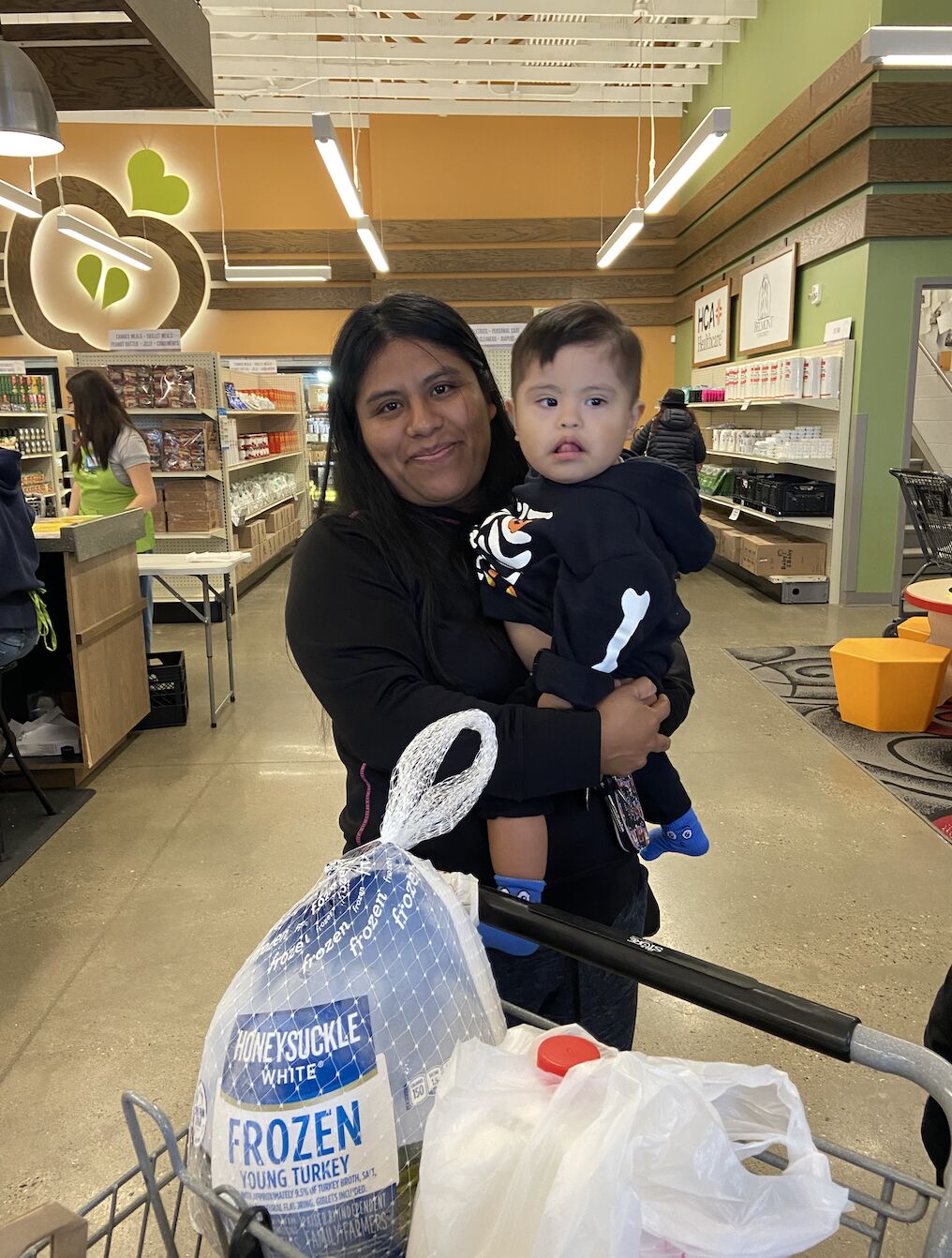
Making The Store More Welcoming for Every Neighbor
Creating a welcoming grocery experience means meeting people where they are, including in the language they speak. A customer’s feedback highlights the importance of bilingual volunteers and how small moments of connection can help every neighbor feel seen, respected, and supported.
Read More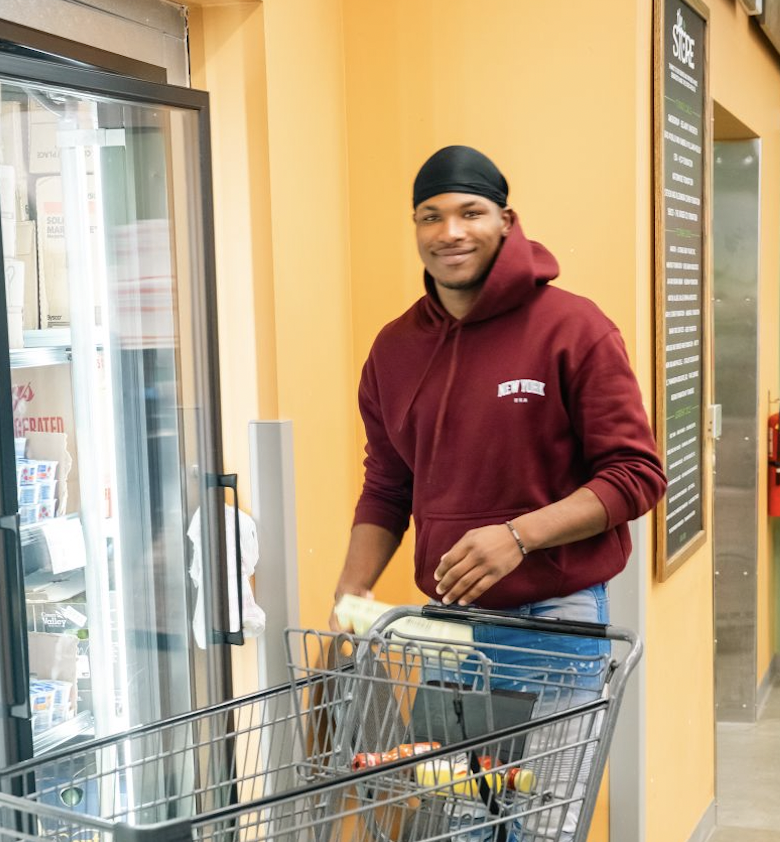
When Food Assistance Requirements Leave Young People Behind
Recent changes to SNAP work requirements have removed exemptions for many former foster youth, veterans, and people experiencing homelessness. Through the story of Jaleel, a former foster youth who found support at The Store, this piece explores how policy changes can affect those with the fewest resources and safety nets.
Read More