
When SNAP Access Changes, Children Feel the Impact
Since July 2025, more than 4.5 million people have stopped receiving SNAP benefits. Researchers estimate that more than 1.5 million of them are children.
I shared last week about the broader decline. This week, I keep coming back to the kids.Adults will debate policy. They should.
People can disagree about eligibility, work requirements, budgets, and the role of government. Those are important conversations.
But before any of that, there are children.
Children who didn't shape the policy.
Children who didn't fill out the paperwork.
Children who didn't miss a deadline or misunderstand a rule.
They simply live with whatever decisions the adults around them make.
One thing many people don't realize is that SNAP often affects more than what happens at home. For many students, it also helps schools automatically certify them for free breakfast and lunch. When that connection is lost, families may have to complete additional paperwork, and schools can face new administrative hurdles.
I don't know the right policy answer. That's genuinely outside my expertise.
But I do know this.
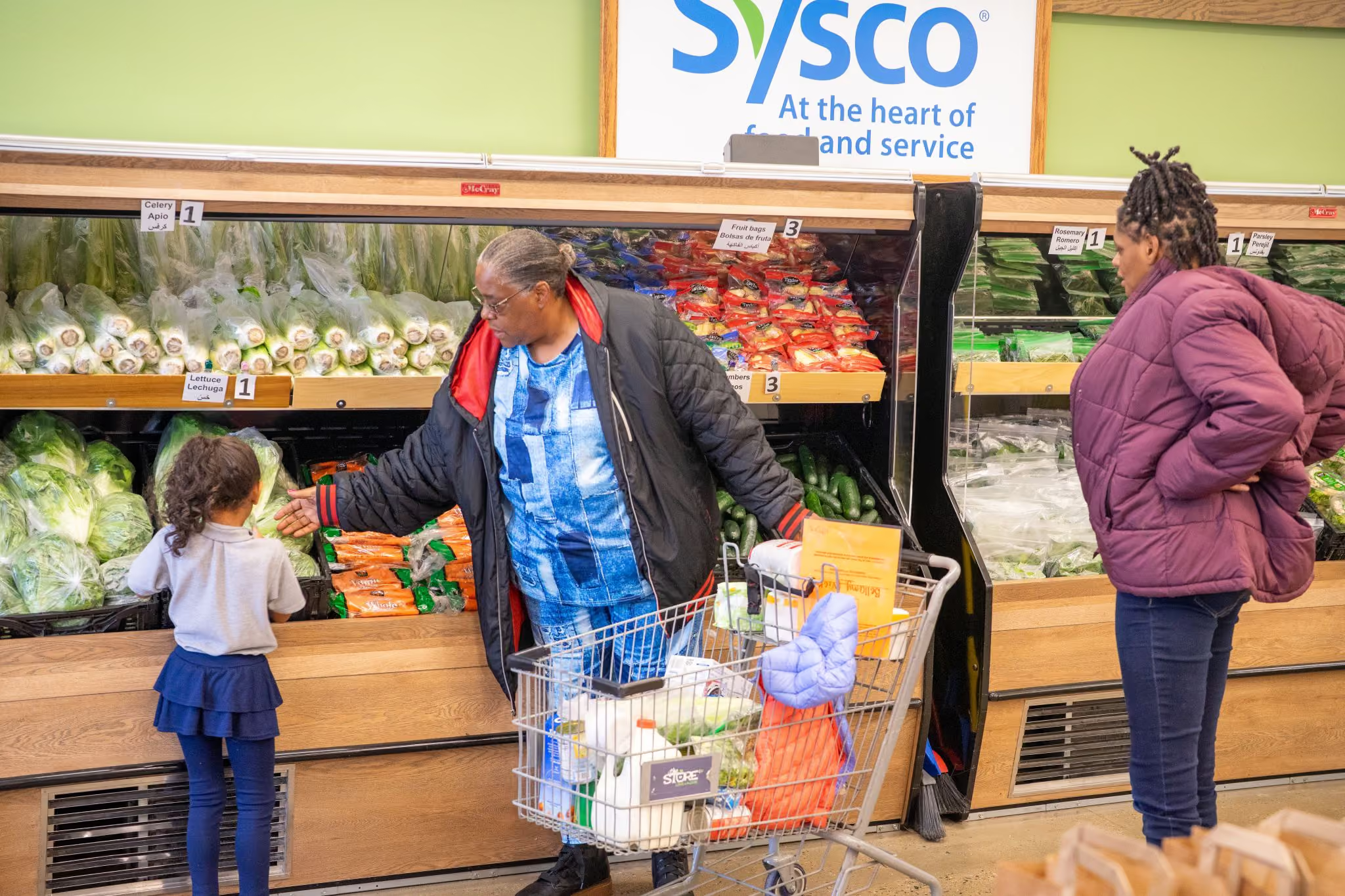
Every day at The Store, we meet families doing everything they can to hold life together. Food insecurity is rarely about one decision or one setback. It's usually the weight of many things happening at once.
That's why this statistic has stayed with me.
Not because it tells us what the policy answer should be.
But because it reminds us who carries the consequences while the rest of us debate the answer.
Every child deserves enough food to grow, learn, and simply be a kid.
That's the part I can't put down.
More than 1.5 million children are estimated to have stopped receiving SNAP benefits since July 2025. The Store reflects on what that number means beyond the policy debate - and why ensuring children have enough food to grow, learn, and thrive must remain at the heart of the conversation.
More from The Store
Standing in the Gap: The People Behind The Store Experience
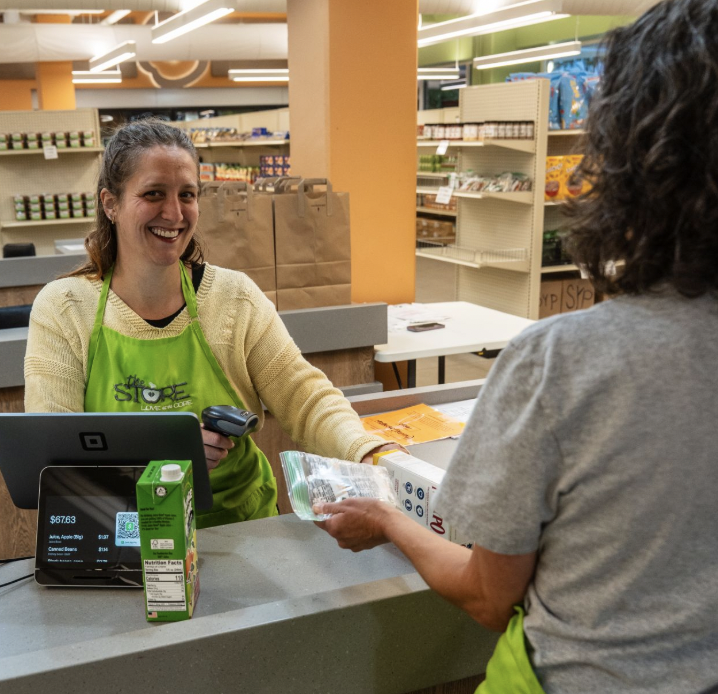
When summer volunteer shortages stretched The Store’s team, staff and volunteers stepped in wherever they were needed. The result? Our customers didn’t notice a difference—a powerful reflection of the people committed to making dignity, choice, and care non-negotiable.
Read More.JPG)
Building the Next Generation of Leaders at The Store
Applications are open for The Store’s Young Professionals Board, a two-year opportunity for emerging leaders to serve their community, take on meaningful responsibility, and help advance our mission of providing groceries with dignity and choice.
Read More