
The Mila Aisle: What Dignity Looks Like at Seven
We never named an aisle after a customer. One family does anyway.
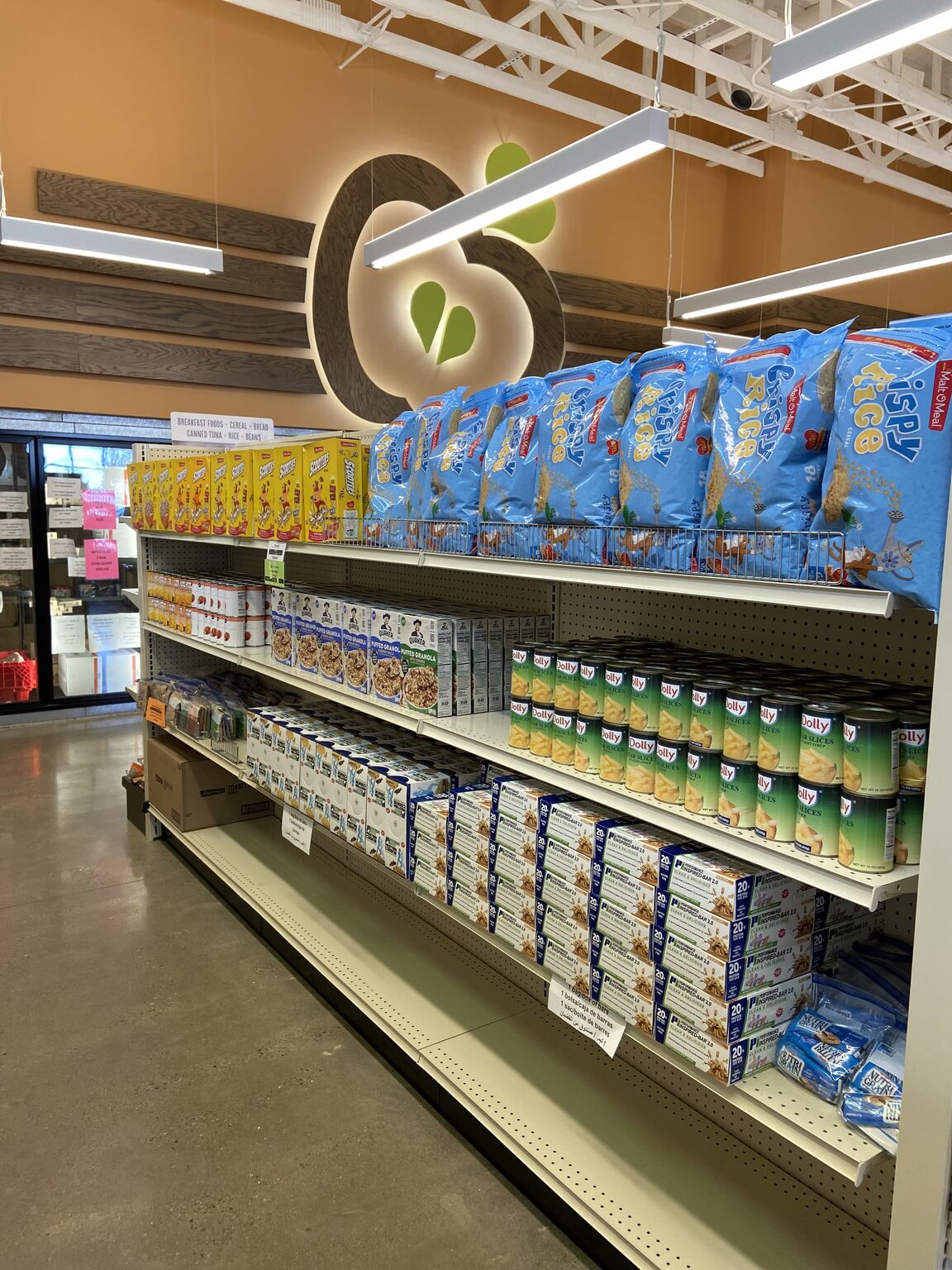
There's an aisle in our store with a seven-year-old's name on it, and we had nothing to do with it. Her mom did that. When they reach that section she says, "Mila, we're at the Mila aisle. Come on, let's pick our stuff."
We asked Mila what's in the Mila aisle. "It's things that I like."We asked her to be more specific."
Like those pretzels that we got, and also peanut butter crackers, and also those strawberry bars. And also cereals."Four "and also"s. I have not been able to improve on that sentence.
As her mom explains, the Mila aisle is usually their last stop. Not because of where it sits, but because Mila is often somewhere else in the building—in the kid kitchen area preparing a delicious meal, or sitting with one of our volunteers, reading a book out loud to them. (Her mother's word for how that reading with volunteers goes: "phenomenally".)
She's in first grade. She wants to be an archer in the Olympics. She also wants to be a police officer, so she can help the community. Both.
I'm not going to draw a straight line from a box of strawberry bars to a first-grader reading out loud to a volunteer. But I have to think the two are related.
A kid who knows there's food she likes waiting for her at home has room in her head for something other than whether there's food. Room to read a book to somebody. Room to decide she's going to the Olympics. Room to imagine herself helping her community someday.
We talk about dignity constantly in this work. Usually we mean it for adults. But at seven, maybe dignity looks like this: an aisle with your name on it, a short list of favorites, and enough room in your head to dream about what comes next.
(Mila isn't her real name. She's seven.)
One family has given an aisle at The Store a special name: the Mila aisle, filled with a seven-year-old girl's favorite snacks and cereals. Through Mila's story, Collen reflects on what food security and dignity can mean for children—not just having food they enjoy at home, but having the freedom to focus on reading, dreaming about the future, and imagining the ways they'll one day contribute to their community.
More from The Store
How Rising Fuel Costs Make Their Way to the Grocery Shelf
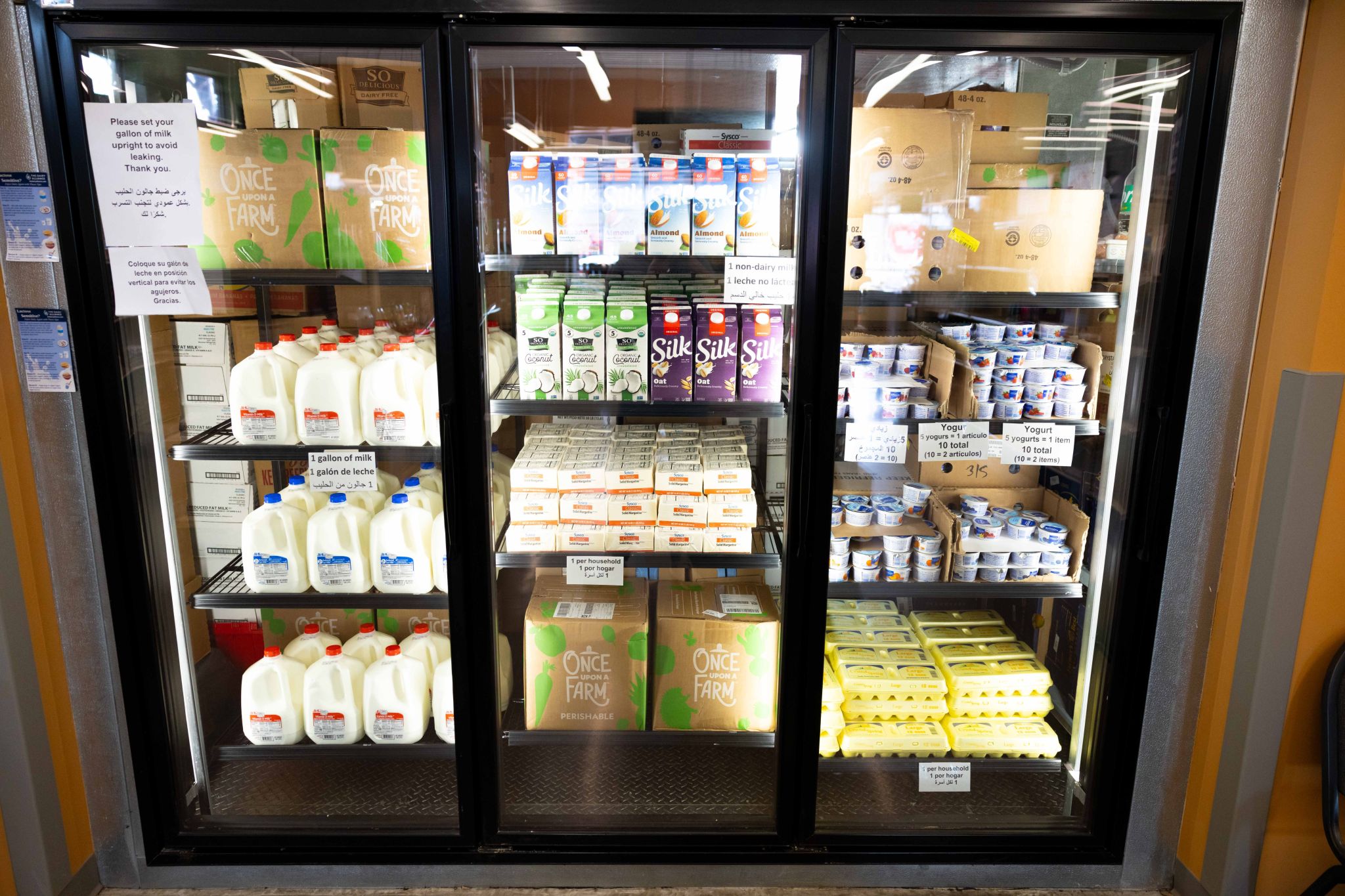
Rising diesel prices affect more than the cost of filling up a gas tank. From transportation to grocery store shelves, increasing freight costs can put additional pressure on food prices and stretch already limited household budgets even further.
Read More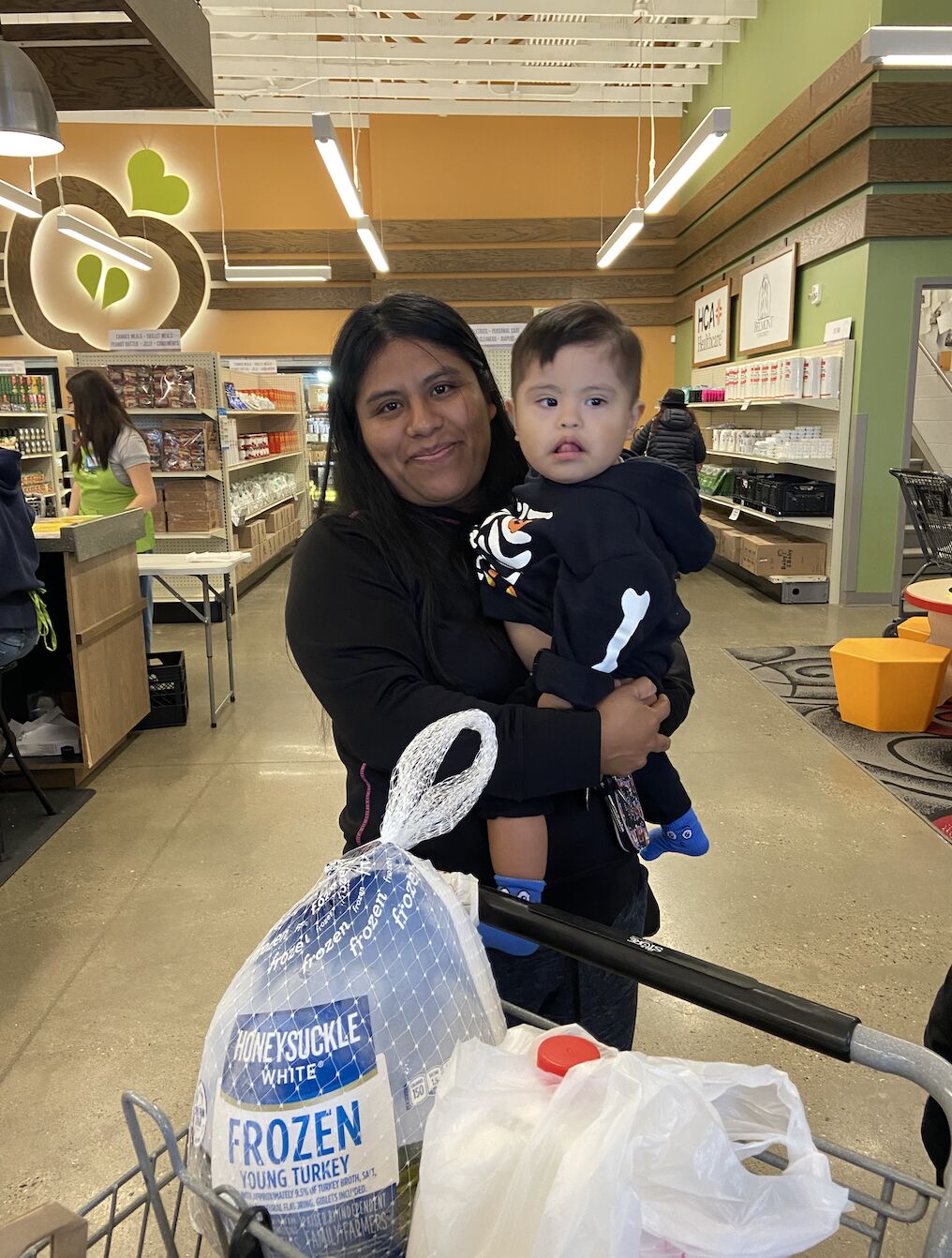
Making The Store More Welcoming for Every Neighbor
Creating a welcoming grocery experience means meeting people where they are, including in the language they speak. A customer’s feedback highlights the importance of bilingual volunteers and how small moments of connection can help every neighbor feel seen, respected, and supported.
Read More