
The Connection Between Fresh Food and Better Health
“My health and heart numbers have greatly improved since I have been able to get fresh vegetables that I otherwise could not afford.”
One of our shoppers told us that recently.
At first, I filed it away as one of those meaningful notes you’re grateful to receive.
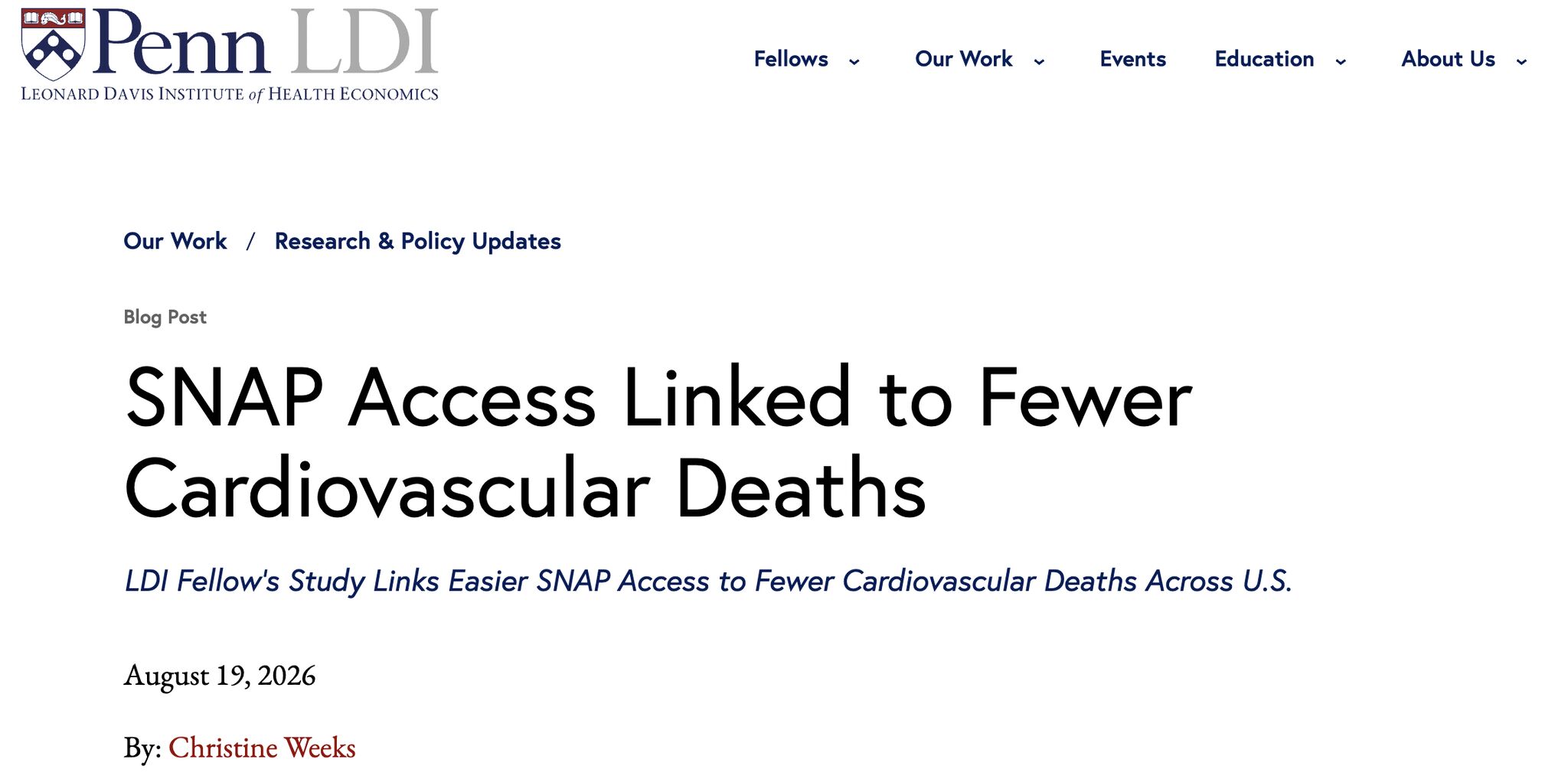
Then I read a study out of Leonard Davis Institute of Health Economics (Penn LDI), and her words stayed with me differently.
Researchers looked at more than 11 million cardiovascular deaths across 3,100 counties and compared those outcomes with differences in how states administered SNAP, the federal grocery benefit many working families and seniors rely on.
Their finding was striking: states with more generous food assistance policies had fewer cardiovascular deaths.
The researchers estimated that if every state had adopted the most generous policies they studied, roughly 46,000 cardiovascular deaths could have been prevented in a single year. I’m not a researcher, and I’m not going to pretend I can assess a study of that scale.
But I do understand what access to fresh food looks like on the ground, because we see it every week at The Store.
98% of our regular shoppers choose fresh fruits and vegetables. Not because anyone tells them to. Because when those foods are available and affordable, people choose them.
Ms. Lottie came to The Store while recovering from a severe case of COVID-19. Her limited diet required specific produce.
Not a pre-packed box of whatever happened to be available. Specific foods she could choose for herself, because she knew what her body needed at that moment.
That’s what access can mean at ground level.
It isn’t simply having enough calories. It’s having the right food, at the right time, chosen by the person who knows what they and their family need.
I can see what happens when a family finally has room in the grocery budget for fresh vegetables, proteins and other nutritious foods.
And it leaves me with a question I think is worth asking:
If we reduce what we spend helping people access healthy food, only to increase what we spend treating preventable health problems later, have we really saved anything?
Those are complicated ledgers, and I’m not the person to put them side by side.
But I hope someone does.
Because sometimes a grocery budget is about more than groceries.
Access to nutritious food can make a difference far beyond the grocery aisle. New research highlights the connection between food assistance and heart health, while stories from The Store’s shoppers show how the freedom to choose fresh, healthy foods can support well-being and improve lives.
More from The Store
The Mila Aisle: What Dignity Looks Like at Seven
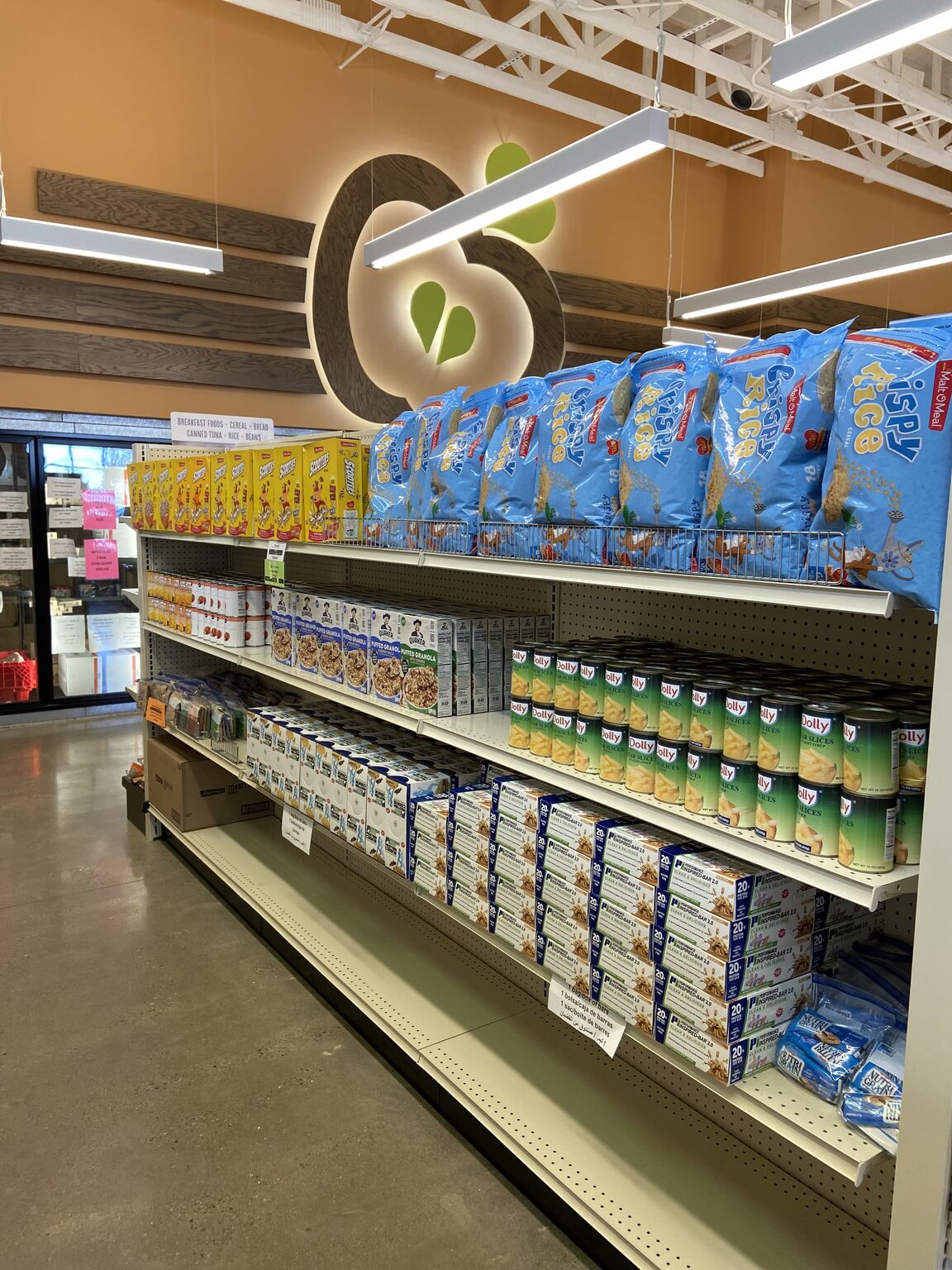
One family has given an aisle at The Store a special name: the Mila aisle, filled with a seven-year-old girl's favorite snacks and cereals. Through Mila's story, Collen reflects on what food security and dignity can mean for children—not just having food they enjoy at home, but having the freedom to focus on reading, dreaming about the future, and imagining the ways they'll one day contribute to their community.
Read More
The Numbers Are Rising, but Our Neighbors Are Already Feeling It
In this reflection, Brad explores the latest Feeding America Map the Meal Gap data and what rising food insecurity rates reveal about the growing need across Tennessee. While national research provides an important picture of the issue, the data often lags behind the realities families are facing today. Through the experiences of neighbors like Janet, along with growing waitlists, increased calls for assistance, and demand from community partners, he reflects on the urgent need happening right now—and the people behind the numbers who are being forced to choose between putting food on the table and paying their bills.
Read More