
When Grocery Costs Rise, Something Else Has to Give
97% of our shoppers say the money they save on groceries goes straight to rent, a medical bill, or a car repair.
That's not from a news headline. Our own shoppers tell us that every week, at The Store.
I think about that stat next to another one I read this week: food prices are up 33% over the last seven years, the biggest spike in half a century according to the New York Post. Ground beef alone has increased four-fifths since 2019. Shrinking cattle herds. Disrupted global grain markets. Years of breeding cycles that can't be rushed. None of it turns around quickly.
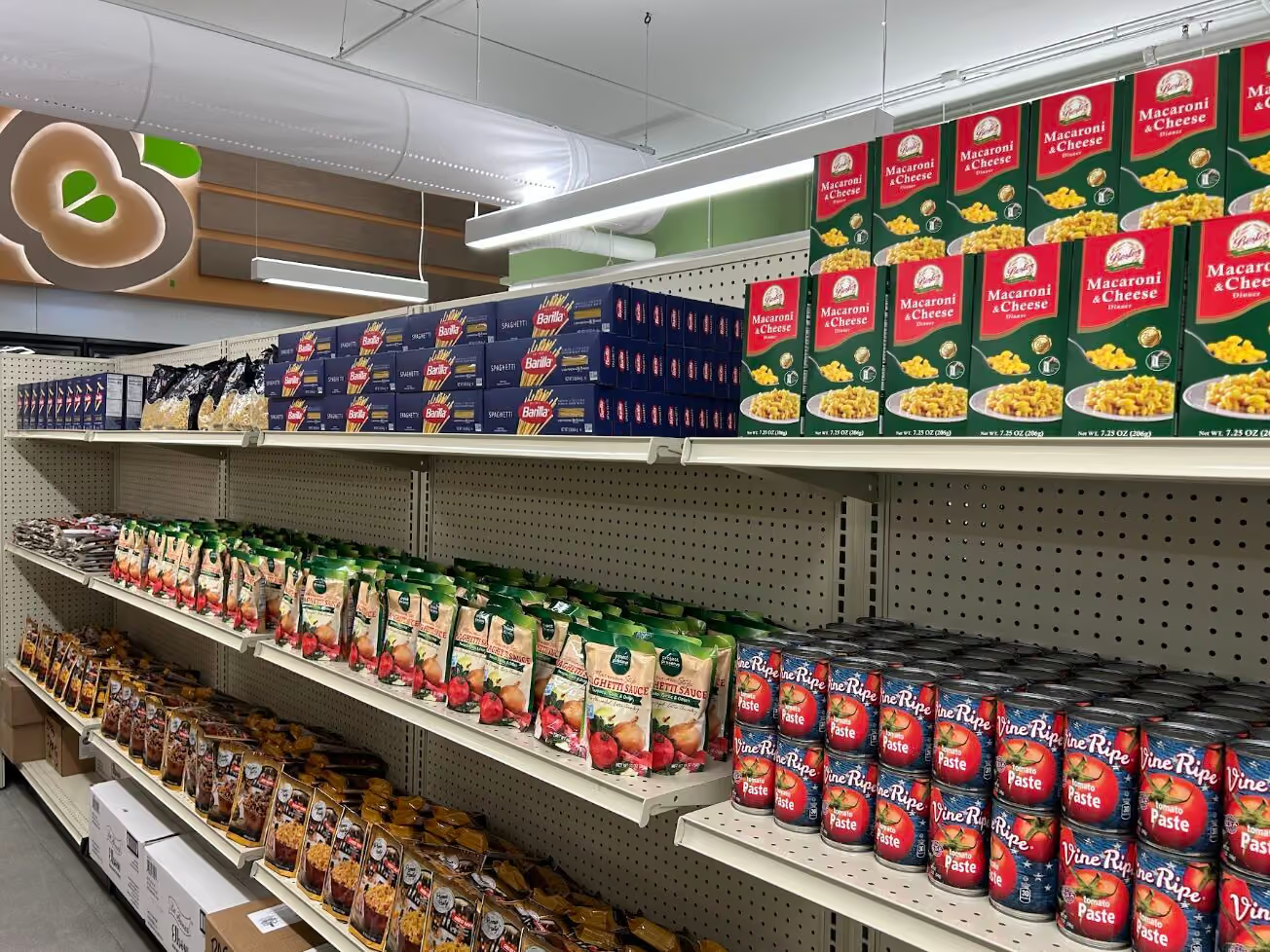
But I don't need a headline to know grocery prices have changed. I see it in what The Store pays to keep fresh food on our shelves. I hear it from customers who come through our doors because, even while working one or sometimes two jobs, groceries simply don't fit into the family budget anymore. And gosh, I see it in my own family's grocery bill.
What strikes me is how easily a number like 33% can settle into normal. A total at the register that might have stopped us cold five years ago eventually becomes simply what things cost. We adjust. We absorb it. After a while, we barely notice that we've adjusted at all.
But I keep thinking about the families who have nowhere left to adjust. When the grocery bill goes up, something else has to give: rent, a medical bill, a car repair, something the family needs just as much. That's exactly what that 97% is telling us.
This isn't simply a conversation about the price of food. It's about the shrinking margin so many working families are trying to live within.
I don't have a simple answer for reversing years of rising food costs. But I do think part of our responsibility is refusing to let these numbers fade into the background.
So the next time you're at the register, take a second look at the total. For some of our neighbors, that number isn't just frustrating. It can change what the family goes without this month.
For 97% of The Store shoppers, grocery savings help cover essentials like rent, medical bills, and car repairs. As food prices continue to rise, those savings reveal a larger reality: many working families are navigating budgets with little room left to adjust.
More from The Store
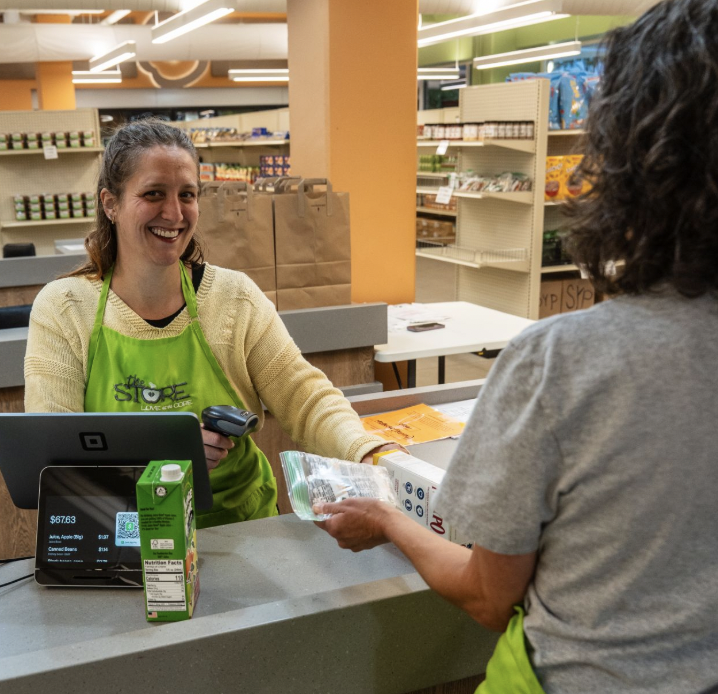
Standing in the Gap: The People Behind The Store Experience
When summer volunteer shortages stretched The Store’s team, staff and volunteers stepped in wherever they were needed. The result? Our customers didn’t notice a difference—a powerful reflection of the people committed to making dignity, choice, and care non-negotiable.
Read More.JPG)
Building the Next Generation of Leaders at The Store
Applications are open for The Store’s Young Professionals Board, a two-year opportunity for emerging leaders to serve their community, take on meaningful responsibility, and help advance our mission of providing groceries with dignity and choice.
Read More