
When Groceries Become Debt: The Growing Cost of Putting Food on the Table
When did a week of groceries become something you have to finance?
That's not a rhetorical question.
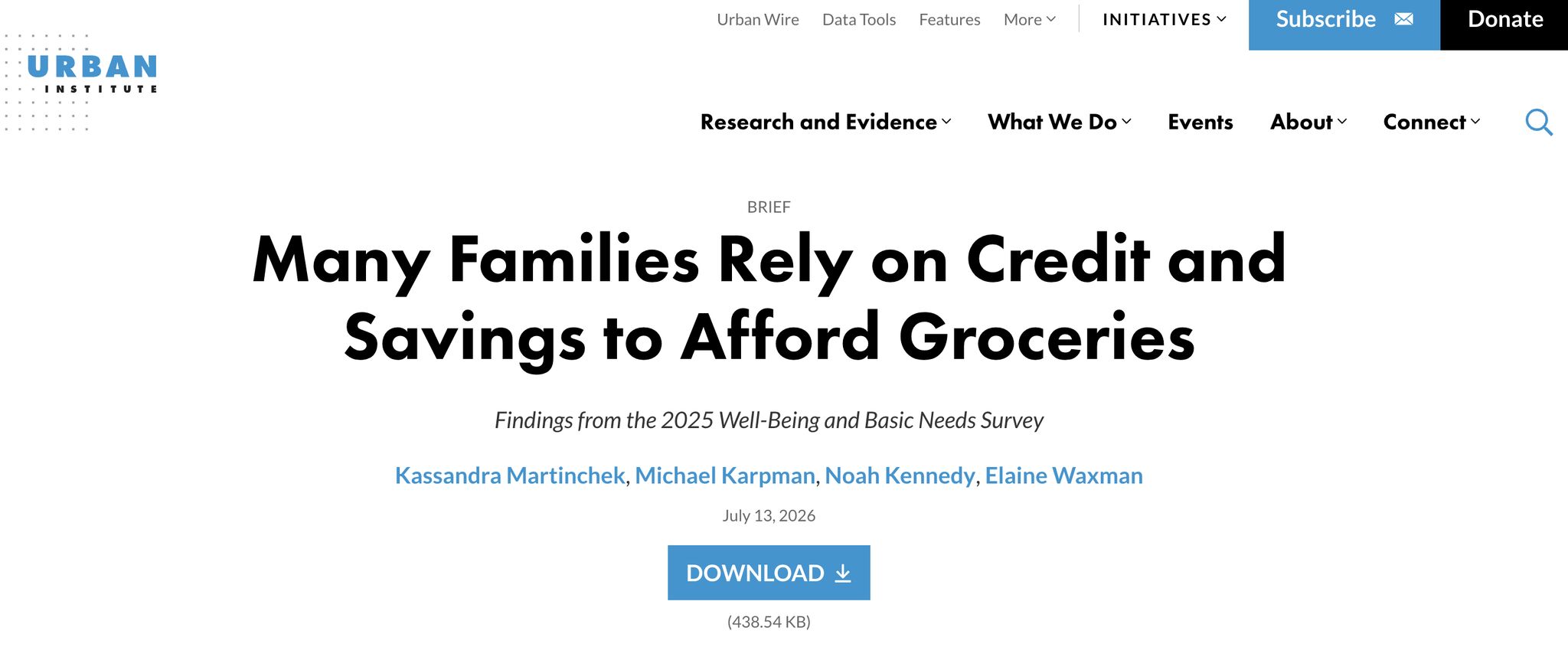
I recently read a study from the Urban Institute that found more than one in four working-age adults had purchased groceries on a credit card and struggled to pay off the balance.
Nearly one in ten had used a buy now, pay later service to purchase groceries. Of those, about a third missed a payment.
Think about that. We're talking about food. Something families will consume in a matter of days, but could still be paying for months later.
And we all know what happens when credit card balances start accumulating. Interest gets added. Minimum payments become another monthly obligation. And suddenly the debt you took on to buy groceries is competing with your rent, your utility bill, or the car repair you need to get to work.
At The Store, we see the other side of this equation every day.
We ask our customers what happens to the money they save by shopping at our free grocery stores. Ninety-seven percent tell us it goes straight toward other essential expenses: rent, medical bills, utilities, transportation.
One of our customers, Raymond Newberry, described what that means for his family. In the winter, The Store can make the difference between a freezing house and a warm home.
Without that help, he might have to choose between groceries and keeping the heat on.
That's what worries me about these findings.
For many families, groceries are one of the few expenses they have some control over. You can't negotiate your rent every month. Your car payment doesn't get smaller when money is tight. But you can buy cheaper food, skip a few things, or stretch what you have a little further.
Until you can't.
And when families start borrowing money to cover even those basics, they're not just dealing with this month's shortfall. They're carrying part of it into next month, when the same bills will come due all over again.
I'm not an expert on consumer credit or the various financing products now available. And I recognize that credit can sometimes help families bridge a difficult period.
But I worry that we're becoming too comfortable with the idea that financing basic necessities is a normal part of household budgeting.
We need an economy where working families earn enough to buy groceries outright, without having to borrow against next month's paycheck to put dinner on the table.
Because a week of groceries shouldn't take months to pay off.
More families are turning to credit cards and buy now, pay later services to afford groceries. Explore the growing financial strain of putting food on the table and how access to free groceries can help families cover other essential expenses.
More from The Store
How Rising Fuel Costs Make Their Way to the Grocery Shelf
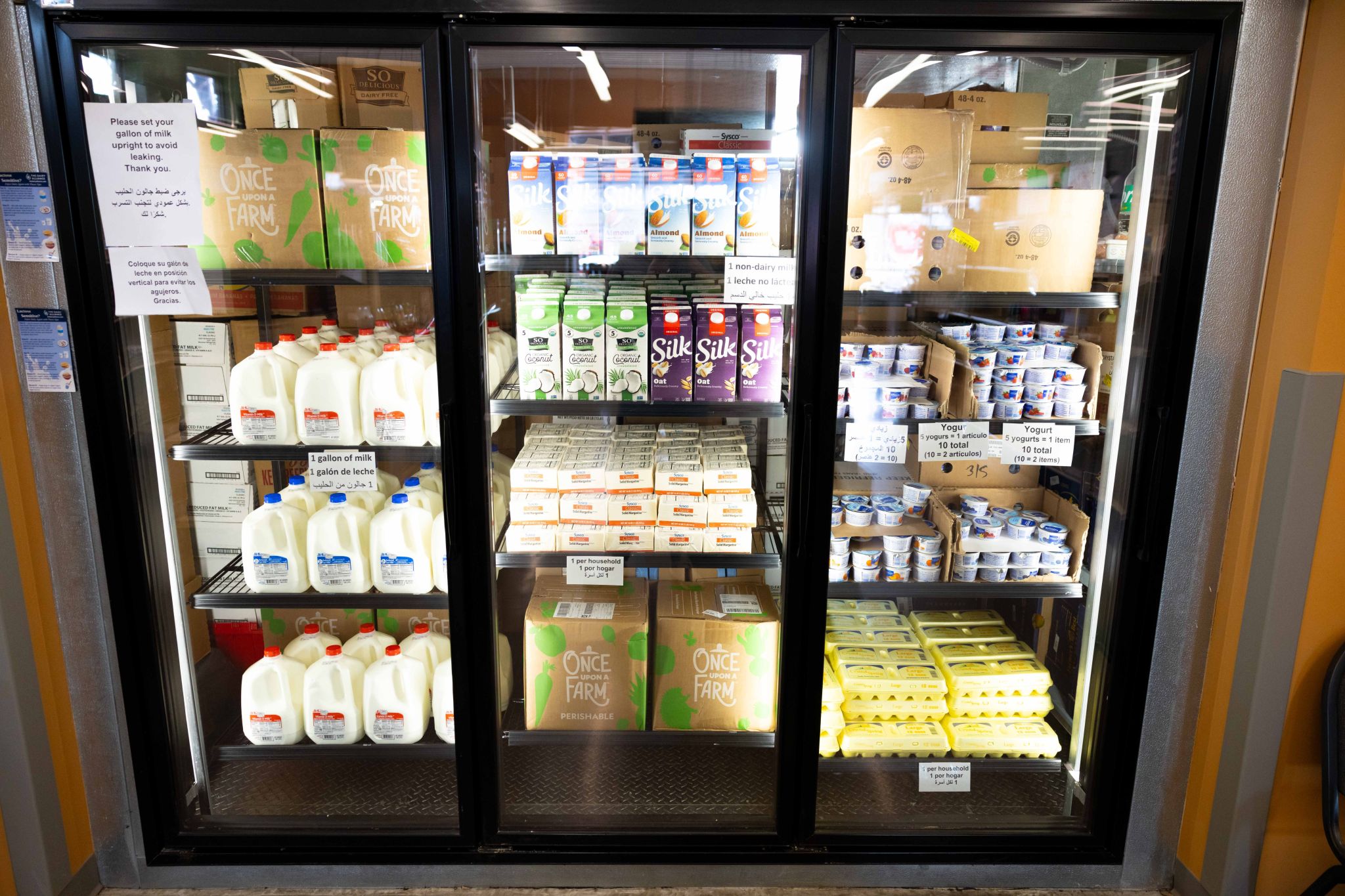
Rising diesel prices affect more than the cost of filling up a gas tank. From transportation to grocery store shelves, increasing freight costs can put additional pressure on food prices and stretch already limited household budgets even further.
Read More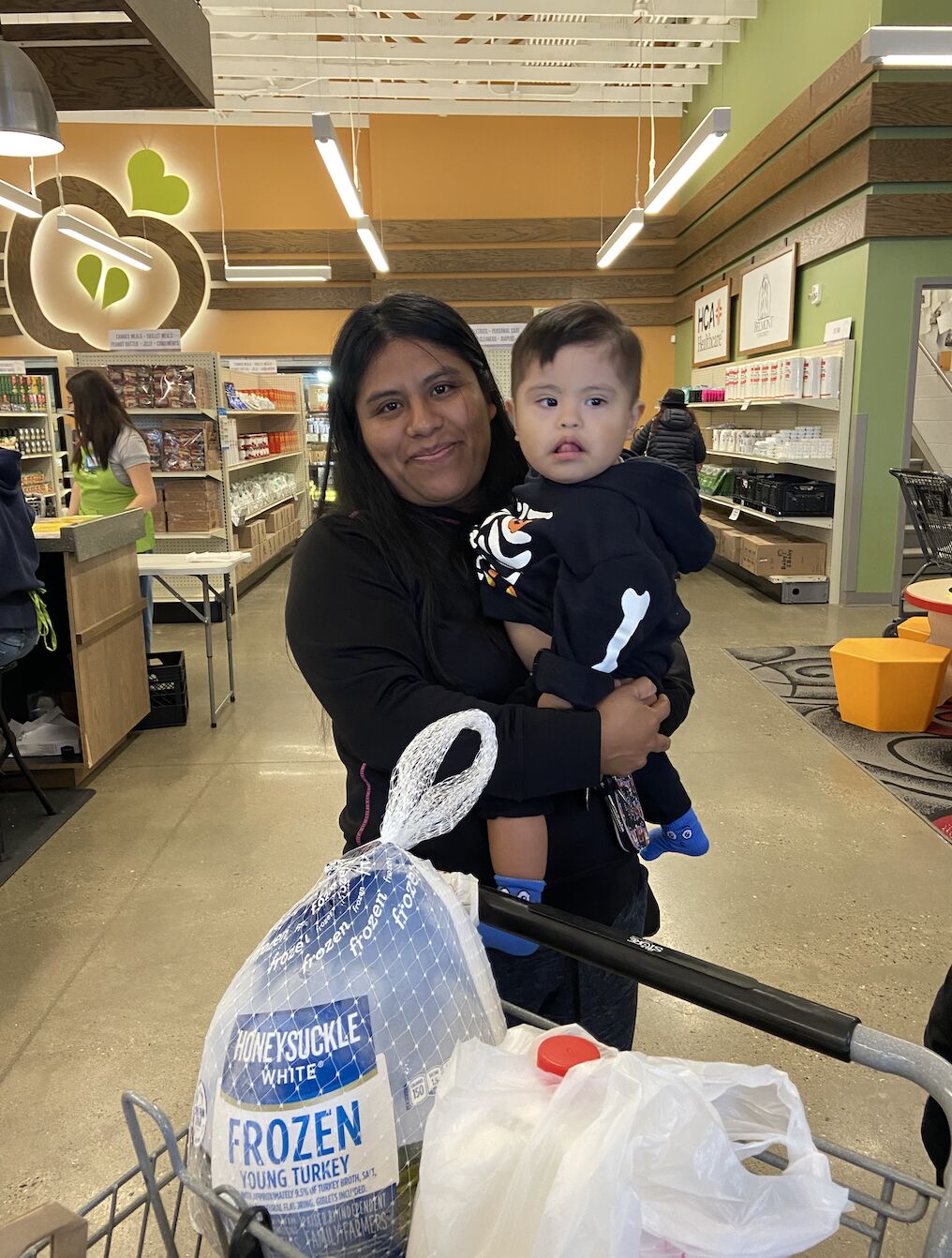
Making The Store More Welcoming for Every Neighbor
Creating a welcoming grocery experience means meeting people where they are, including in the language they speak. A customer’s feedback highlights the importance of bilingual volunteers and how small moments of connection can help every neighbor feel seen, respected, and supported.
Read More