
When Food Assistance Requirements Leave Young People Behind
I’ll be honest: I didn’t know former foster youth had a food assistance exemption. Until I read that it was gone.
About fifteen thousand young people age out of foster care every year in this country.
Until last year, many of them were exempt from the work requirements attached to SNAP, the federal grocery benefit that working families and people between jobs rely on to keep food in the house. The 2025 tax law removed that exemption, for former foster youth up to 24, and for veterans, and for people without housing.
Rep. Gwen Moore of Milwaukee has a bill to put the exemption back. I have no idea whether it goes anywhere.
Here’s what I know from inside our building.
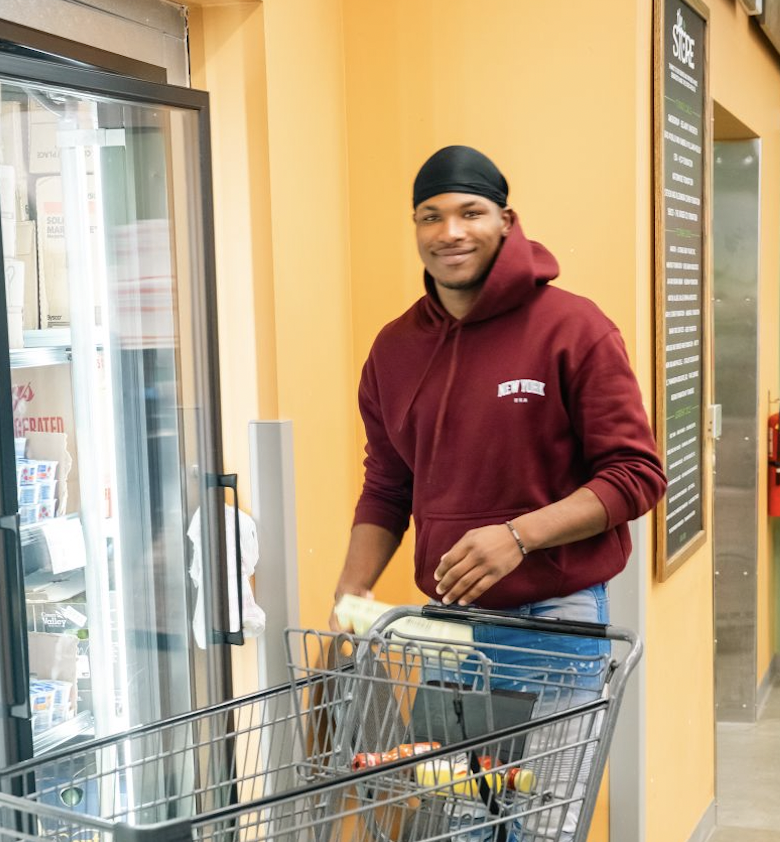
Jaleel came to us at eighteen. He had just aged out of foster care. What he found here, mostly, was that our staff were kind to him, and that was apparently unusual enough that he now wants to build a career in grocery management.
Eighteen, no family safety net, and a plan.
Now picture handing that same young man a requirement to document eighty hours of work or his groceries disappear.
Every system has friction.
The question is always who has to absorb it.
A requirement like this one lands hardest on the people with the least margin. No parent to call. No couch to sleep on. Nobody to help navigate a missed form.
That isn’t an argument about whether work requirements are right or wrong. It’s an observation about where the weight falls.
We’ll keep feeding the Jaleel's who find us. That part isn’t complicated.What I don’t have a clean answer for is all the ones who never do.
Recent changes to SNAP work requirements have removed exemptions for many former foster youth, veterans, and people experiencing homelessness. Through the story of Jaleel, a former foster youth who found support at The Store, this piece explores how policy changes can affect those with the fewest resources and safety nets.
More from The Store
How Rising Fuel Costs Make Their Way to the Grocery Shelf
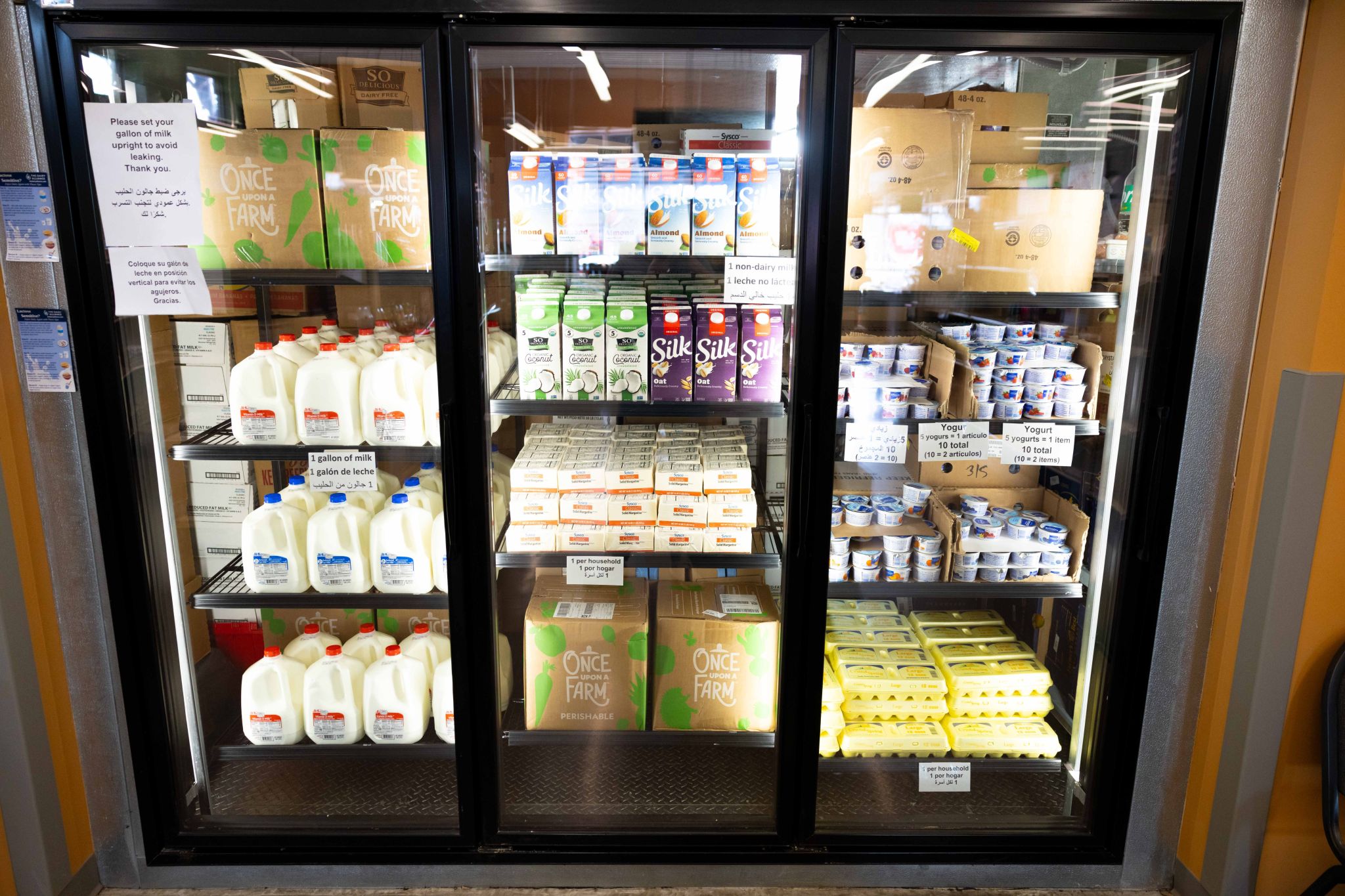
Rising diesel prices affect more than the cost of filling up a gas tank. From transportation to grocery store shelves, increasing freight costs can put additional pressure on food prices and stretch already limited household budgets even further.
Read More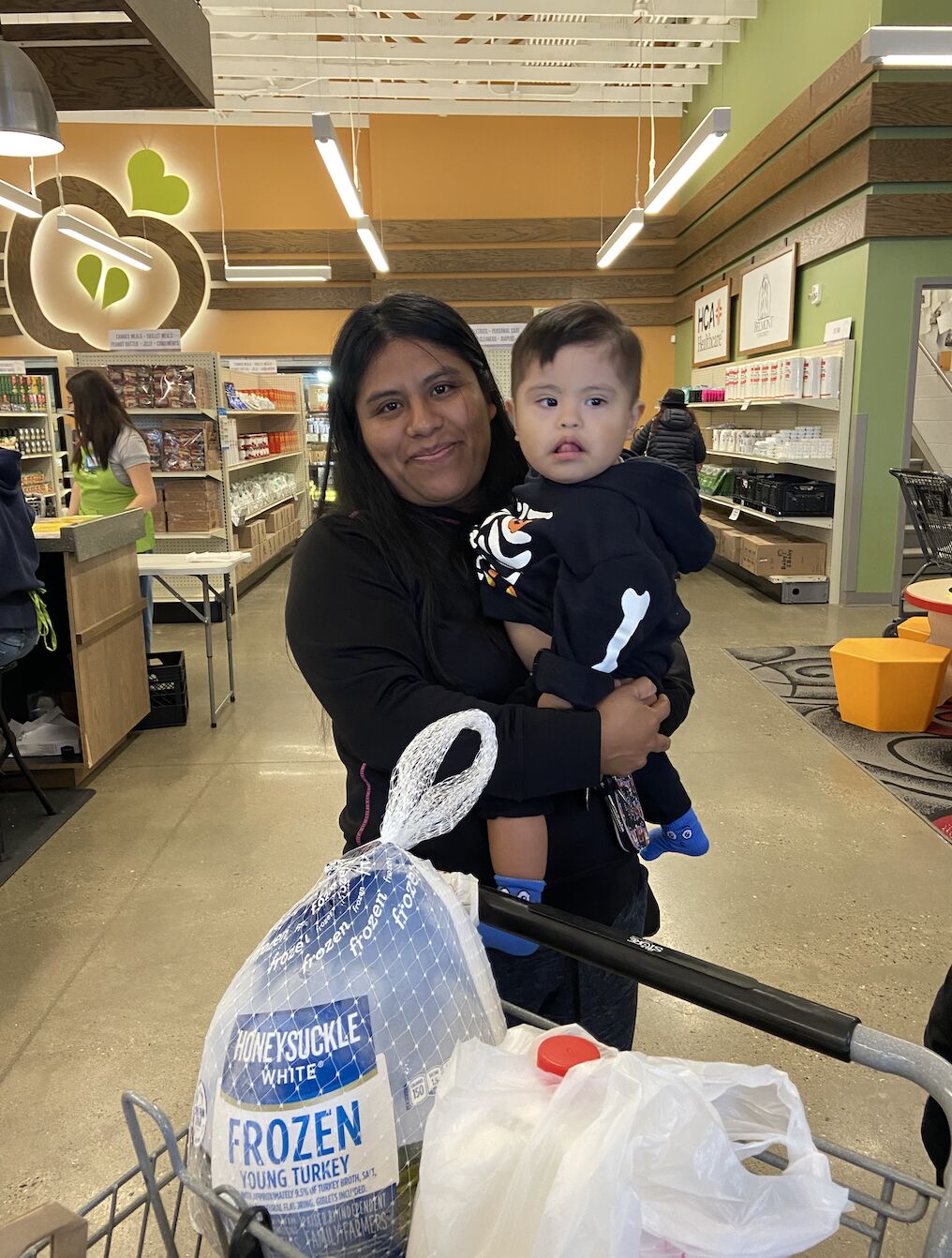
Making The Store More Welcoming for Every Neighbor
Creating a welcoming grocery experience means meeting people where they are, including in the language they speak. A customer’s feedback highlights the importance of bilingual volunteers and how small moments of connection can help every neighbor feel seen, respected, and supported.
Read More