
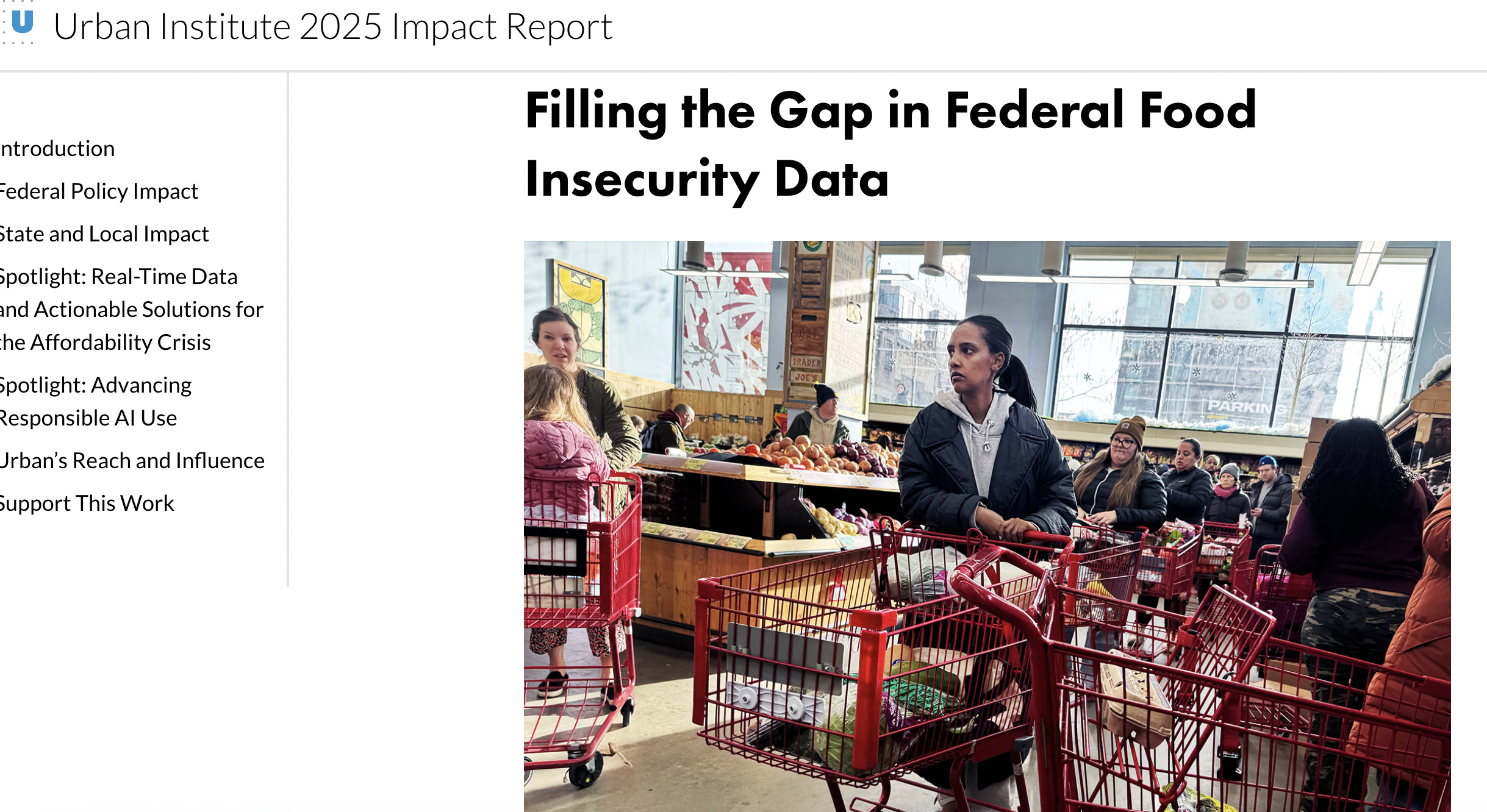
What Happens When We Stop Measuring Hunger?
Next year, someone will ask how bad hunger got.And the honest answer may be: we stopped keeping track.
That’s because USDA has canceled the national survey used to measure household food security across the country.
For years, that survey has given organizations like ours a consistent way to understand who is experiencing hunger, where the need is growing, and whether things are getting better or worse. Feeding America is already looking for something to replace it.
And that matters, especially now.
Everyone in my sector is rightly talking about how to respond to federal food assistance cuts.
But alongside those cuts, we may also lose our ability to see what effect they actually have.
Without a consistent national measure, we become more reactive.
Sure, we can count the people walking through our doors. We can watch our waiting list. We can listen to the phone calls and conversations our team has every day.
Those are real signals. I use them every week.
But they only show us the part of the problem that reaches us.
They don’t tell us about the family that doesn’t know where to turn. Or the person who has been worn down by trying to navigate one system after another. Or the neighbor making impossible choices who never shows up on anyone’s list.
That’s the difference that concerns me.
The Store’s internal data can tell us a great deal about the people we’re reaching. A consistent national measure helps us understand the people we aren’t.
Without that broader view, some families can simply disappear from the picture.
I don’t have a policy argument here. That isn’t my expertise, and I’m not going to pretend otherwise.I have an operations concern. And I think it’s one most leaders will recognize:
You can’t allocate resources against a number you’ve stopped collecting.
I need reliable food insecurity data to keep coming. Are we making progress? Is the need growing? Where is it changing?
Our funders need to understand that too. Some are asking those questions because they’re ready to go deeper.
But when none of us can clearly see the scope of a problem, good intentions can stall.
I keep coming back to a simple image: If you stop measuring the hole in the boat, it becomes much easier to tell yourself you aren’t sinking.
SNAP, the federal grocery assistance program that tens of millions of Americans rely on, is already smaller. More than five million people have come off it in the past year.
That part we could still see.
What worries me is next year.
Someone asks how bad hunger got, and the honest answer is that we stopped keeping track.
At The Store, we’ll keep counting what we can see.
The neighbors shopping with us. The families waiting. The choices people are making when groceries, rent, medicine and everything else are competing for the same dollar.
I’d rather that not become the best data anybody has.
Reliable data helps organizations understand where food insecurity is growing, who is being missed, and where resources are needed most. With USDA ending its collection of national food security data, The Store reflects on what losing that broader view could mean for hunger-relief organizations and the families they serve. Feeding America is exploring alternative data sources for future estimates.
More from The Store
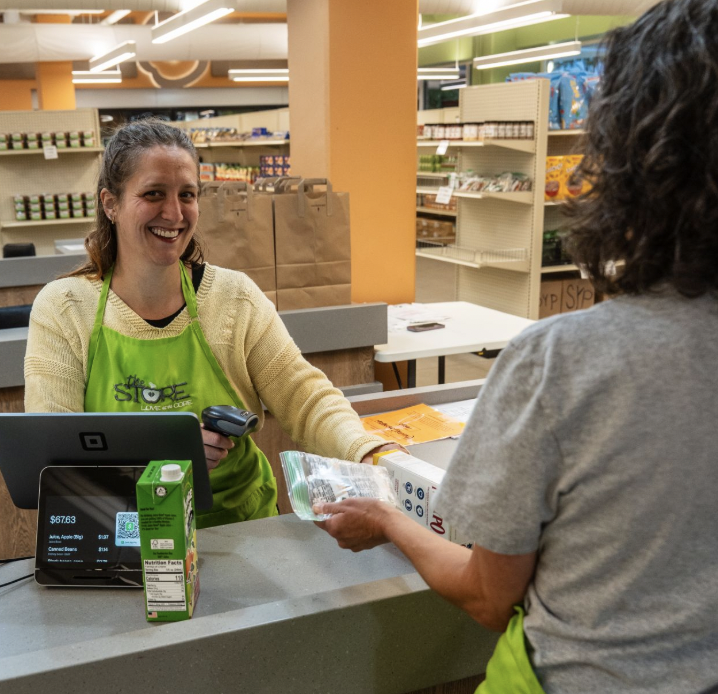
Standing in the Gap: The People Behind The Store Experience
When summer volunteer shortages stretched The Store’s team, staff and volunteers stepped in wherever they were needed. The result? Our customers didn’t notice a difference—a powerful reflection of the people committed to making dignity, choice, and care non-negotiable.
Read More.JPG)
Building the Next Generation of Leaders at The Store
Applications are open for The Store’s Young Professionals Board, a two-year opportunity for emerging leaders to serve their community, take on meaningful responsibility, and help advance our mission of providing groceries with dignity and choice.
Read More