
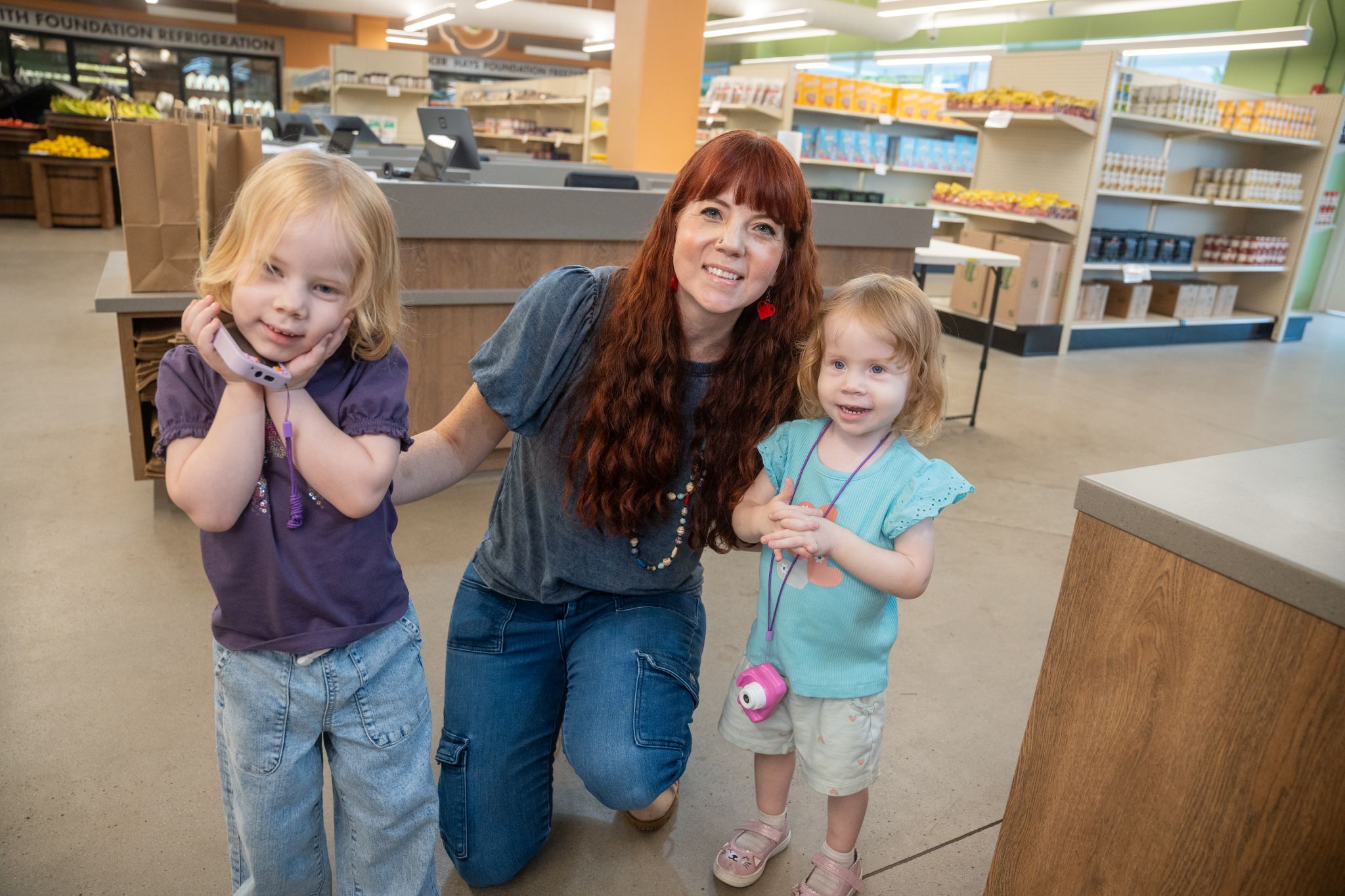
The Ripple Effect of Dignity: Impact Beyond the Groceries
In a board meeting last month, one of our founders, Kimberly Williams-Paisley, described what she hopes happens to a customer after they leave our building.
Two weeks later, I heard a customer describe it back to us.
We were talking about metrics. Outputs, outcomes, the whole vocabulary.
It's a conversation every nonprofit leader knows is difficult.
We can tell you how many meals. How many shopping trips. How many households. We can slice that data a thousand ways.
What we can't tell you definitively is what happens after somebody leaves with their groceries.
We do surveys. Collect testimonials. Participate in collective impact work. All of it helps us understand our longer-term impact.
But tracking what happens to a family over years is difficult, expensive, and complicated. And with something as complex as poverty and food insecurity, isolating the effect of one intervention may be nearly impossible.
Then Kim said something simple.
She offered it as a hypothesis, not a claim.
If we treat people with dignity, maybe they leave feeling differently about themselves. Maybe that carries into their families and neighborhoods. Maybe there's a ripple extending beyond the groceries they took home.
Two weeks later, I read an interview with Kayla, who shops with us.
"You may think that you're just helping a family eat at night, but you're actually creating a ripple effect in their lives."
Same word.
She had never been in that boardroom.
And she went further than we did.
Kayla said every volunteer saw her as a person, not as her struggle. And that experience changed what she wants to do with her life — public service, giving back, serving others the way our volunteers served her.
That's the ripple described by the person experiencing it.
And no, it still isn't a metric. I can't put a number beside it in a grant report.
But when you're fighting something as systemic as food insecurity, you have to hold onto a hypothesis. A theory of change. Something you believe matters, even when it's hard to measure.
Because changing generations of poverty and inequality is hard. There isn't always a clear line from what happens today to what changes years from now.
At The Store, our hypothesis is this:When we treat people with dignity and love. When we give people choice. When we bring together a community of support and compassion to lift up our neighbors, there is a ripple effect.
In people's lives. In their families. In their neighborhoods. And, we believe, in the community itself.
I don't know how to measure all of that.
That means staying humble about what our spreadsheets can tell us and listening closely when the people we serve share their experiences.
Kayla said it better than I ever could have.
And to every volunteer who has stood beside a shopping cart, stocked a shelf, carried groceries to a car, or simply made someone feel welcome:
She was talking about you.
That's the ripple.
What happens after a family leaves The Store with their groceries? Collen reflects on a powerful connection between a hope shared by co-founder Kimberly Williams-Paisley and the experience of Kayla, a customer who described the ripple effect of being treated with dignity, compassion, and respect. Her story is a reminder that the impact of The Store reaches far beyond food—it can shape how people see themselves, their families, and their communities.
More from The Store
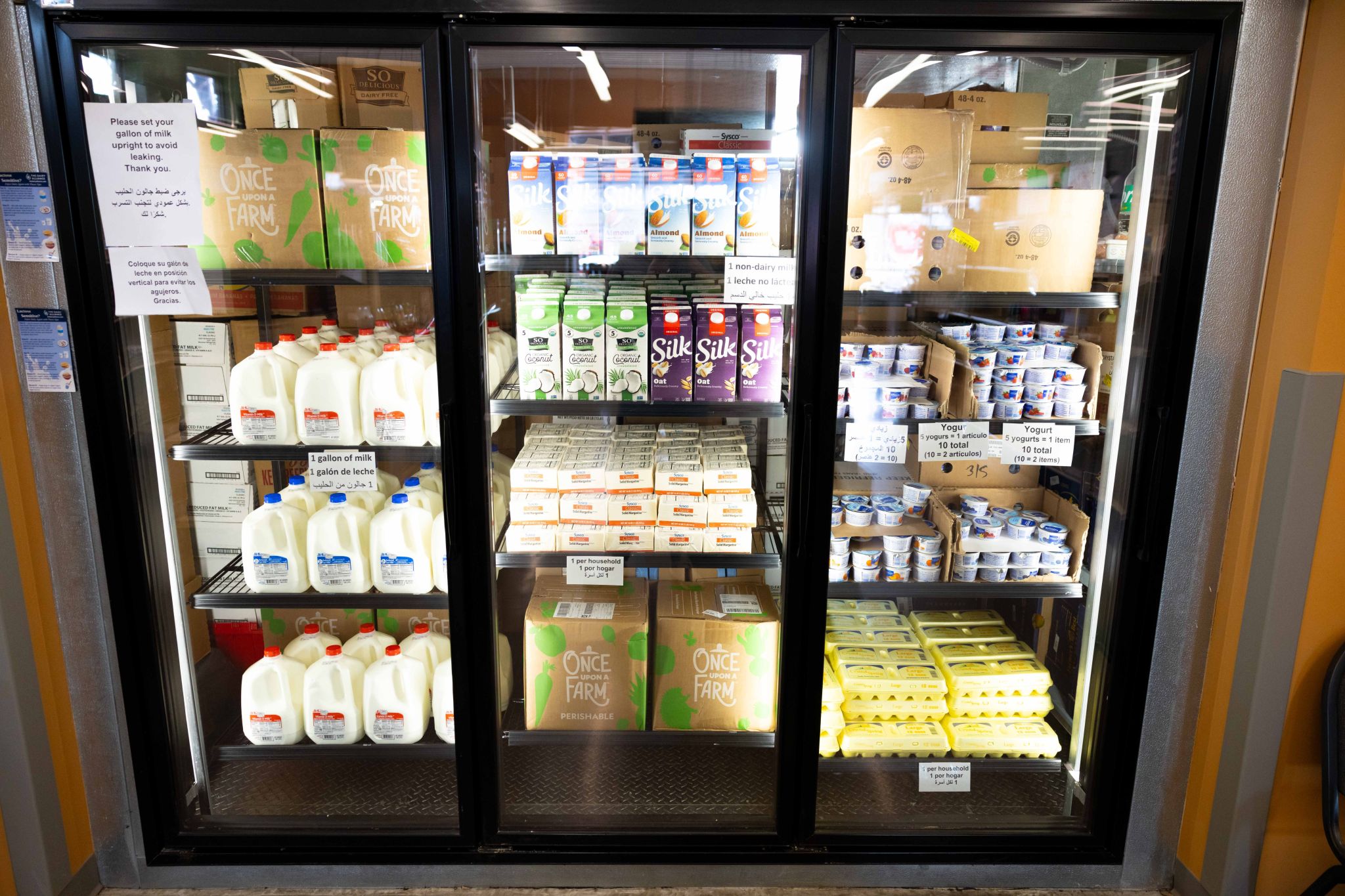
How Rising Fuel Costs Make Their Way to the Grocery Shelf
Rising diesel prices affect more than the cost of filling up a gas tank. From transportation to grocery store shelves, increasing freight costs can put additional pressure on food prices and stretch already limited household budgets even further.
Read More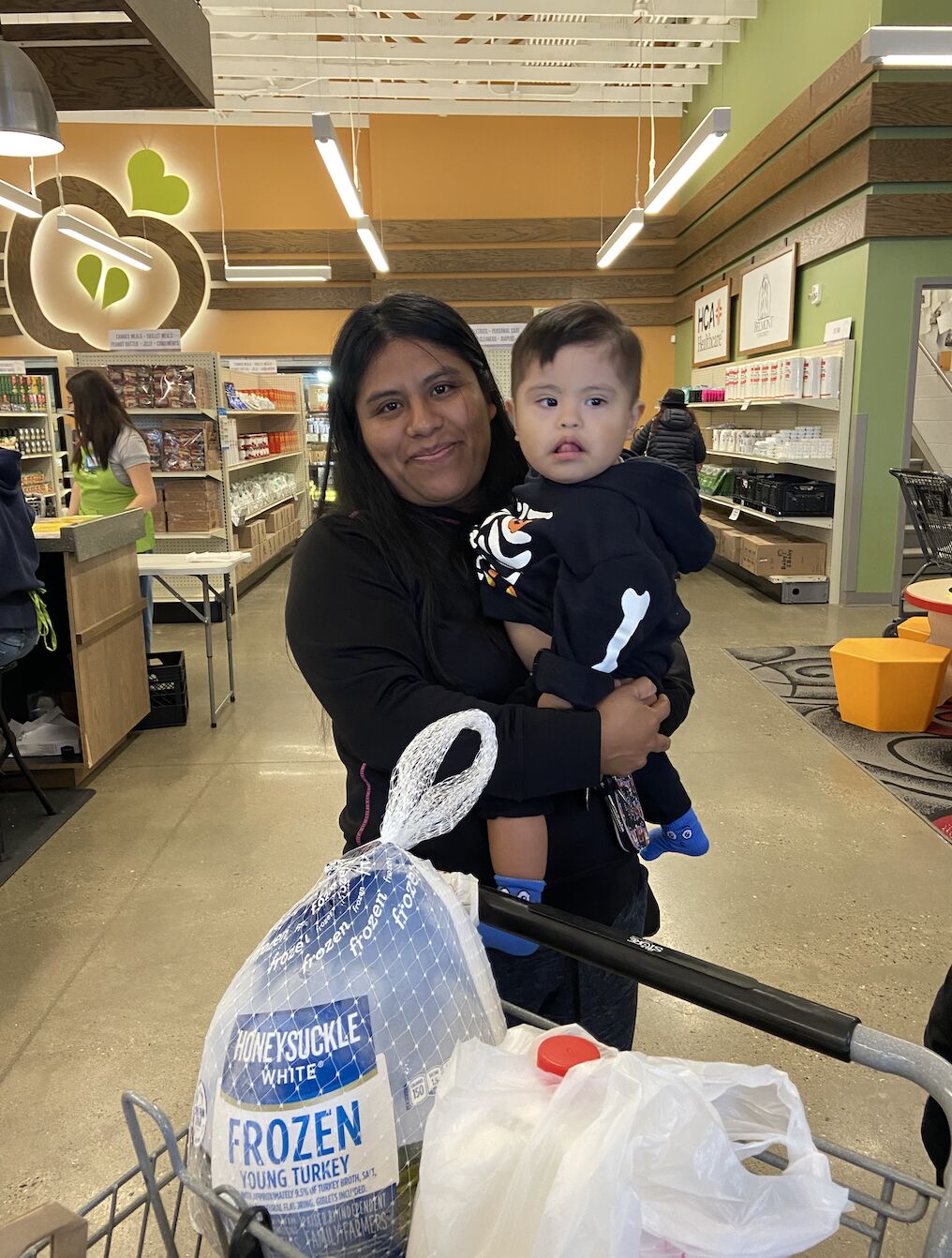
Making The Store More Welcoming for Every Neighbor
Creating a welcoming grocery experience means meeting people where they are, including in the language they speak. A customer’s feedback highlights the importance of bilingual volunteers and how small moments of connection can help every neighbor feel seen, respected, and supported.
Read More