
The Numbers Are Rising, but Our Neighbors Are Already Feeling It
“You either pay your bills or you buy food. Sometimes, you just can’t do both.”
That’s Janet, one of our customers at The Store. She said it better than I have ever managed to, and I’ve been trying to explain this work to people for a good while now.
Feeding America publishes its Map the Meal Gap study every year, and I read it. We rely on it. It is an important study that helps us understand the scale of food insecurity across communities.
The latest numbers are difficult to sit with.
Tennessee is at 16.3 percent food insecurity, compared with 14.4 percent nationally.
Nationally, sit seven people around a table, and one of them doesn’t have enough food.
In Tennessee, you only need six chairs.
Tennessee was at 15.6 percent the year before, and lower the year before that. It has risen every year since 2021. All five of Tennessee’s food bank service areas sit above the national rate.
Every one of them.
Lake County is at 26.6 percent. Among children, it’s 41 percent.That one is hard for me to read.
There is something important to understand about these numbers, though. The report released last month describes 2024.
That isn’t a flaw in the study or a criticism of it. Good data at this scale takes time to collect, validate, and understand. We need that rigor, and we rely on it.
But it also means the clearest national data we have can run roughly 24 months behind what families are experiencing right now.
So we supplement it with what we can see.
Parking lots that stay full. More calls from people looking for help. More urgency in the voices on the other end of the phone.
Our waiting list has gotten as high as 4,000 families.
More than 70 partners, and growing, call us when someone they serve needs food. We try very hard to never say no.
The data gives us the larger picture. Those calls, those families, and those full parking lots tell us what is happening right now.
And what they are telling us is that more families are running out of room in the grocery budget. We see it in the choices people are having to make and in how quickly the need is reaching us.
Lately, those realities seem to arrive before the data can catch up.
That matters.
Because behind every percentage point is someone like Janet, doing the math and realizing there simply isn’t enough for both.
The numbers will eventually tell that story.
Our neighbors are already living it.
In this reflection, Brad explores the latest Feeding America Map the Meal Gap data and what rising food insecurity rates reveal about the growing need across Tennessee. While national research provides an important picture of the issue, the data often lags behind the realities families are facing today. Through the experiences of neighbors like Janet, along with growing waitlists, increased calls for assistance, and demand from community partners, he reflects on the urgent need happening right now—and the people behind the numbers who are being forced to choose between putting food on the table and paying their bills.
More from The Store
The Connection Between Fresh Food and Better Health
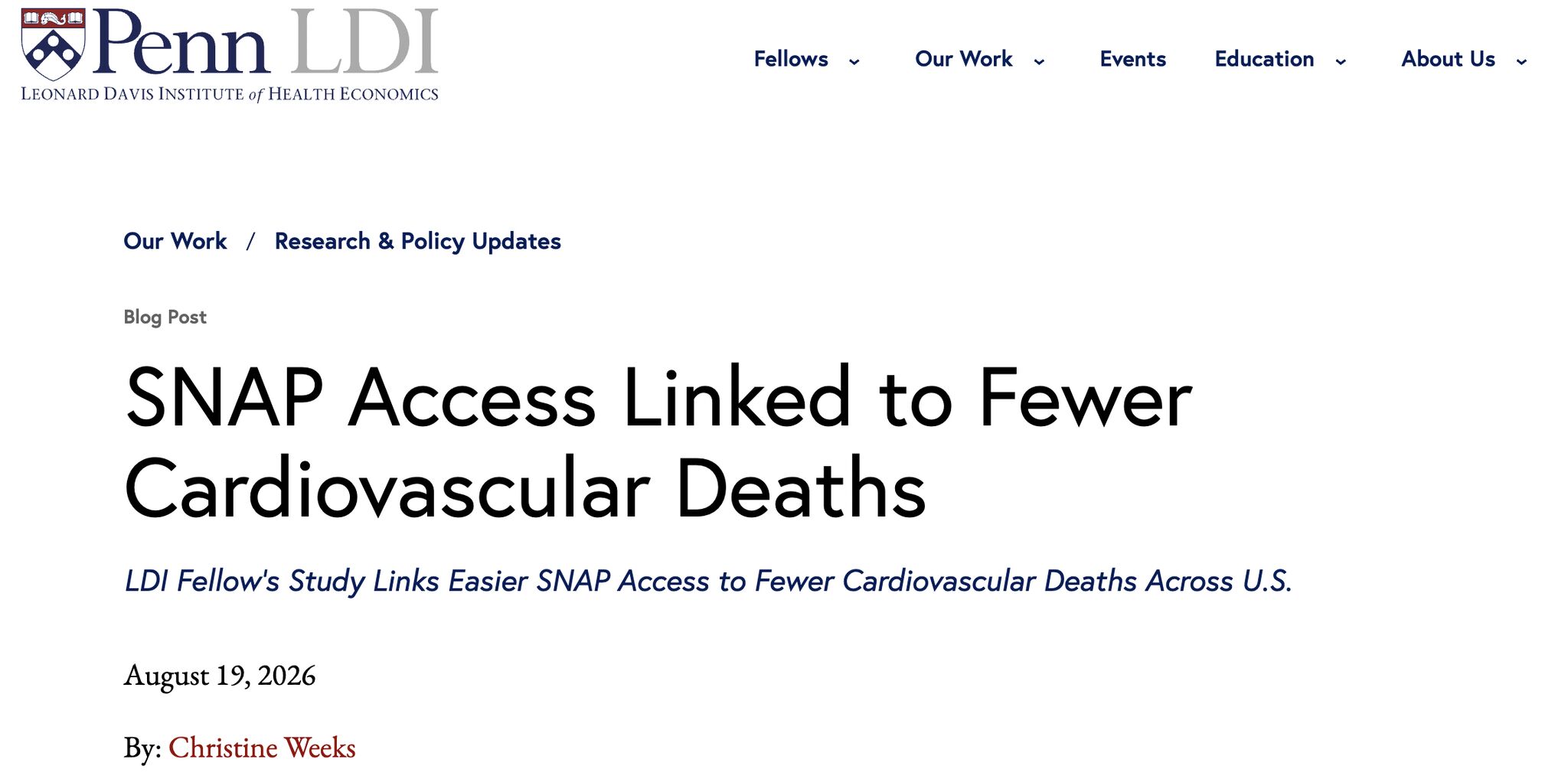
Access to nutritious food can make a difference far beyond the grocery aisle. New research highlights the connection between food assistance and heart health, while stories from The Store’s shoppers show how the freedom to choose fresh, healthy foods can support well-being and improve lives.
Read More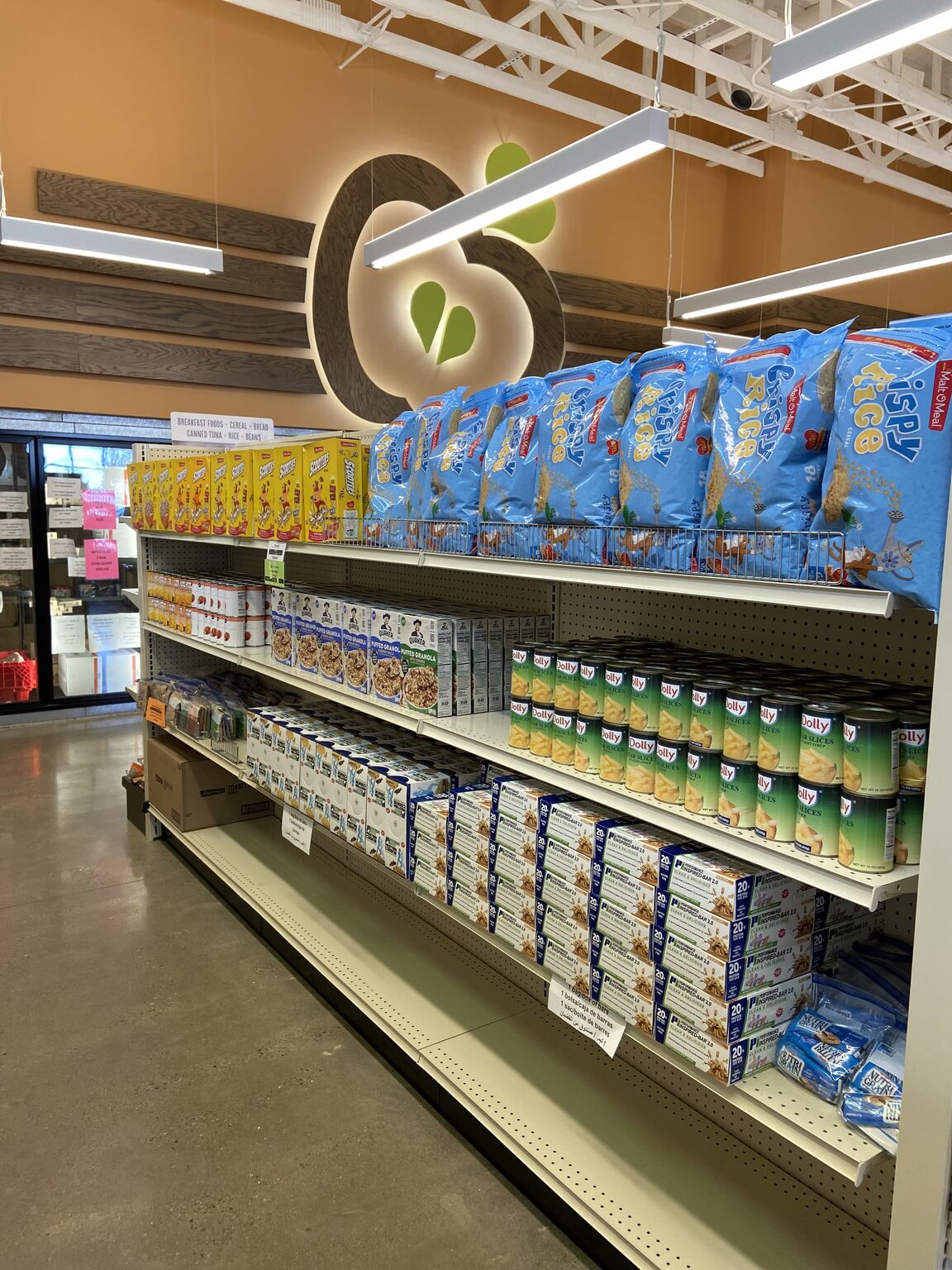
The Mila Aisle: What Dignity Looks Like at Seven
One family has given an aisle at The Store a special name: the Mila aisle, filled with a seven-year-old girl's favorite snacks and cereals. Through Mila's story, Collen reflects on what food security and dignity can mean for children—not just having food they enjoy at home, but having the freedom to focus on reading, dreaming about the future, and imagining the ways they'll one day contribute to their community.
Read More