
Why Collaboration Is the Future of Nonprofit Impact
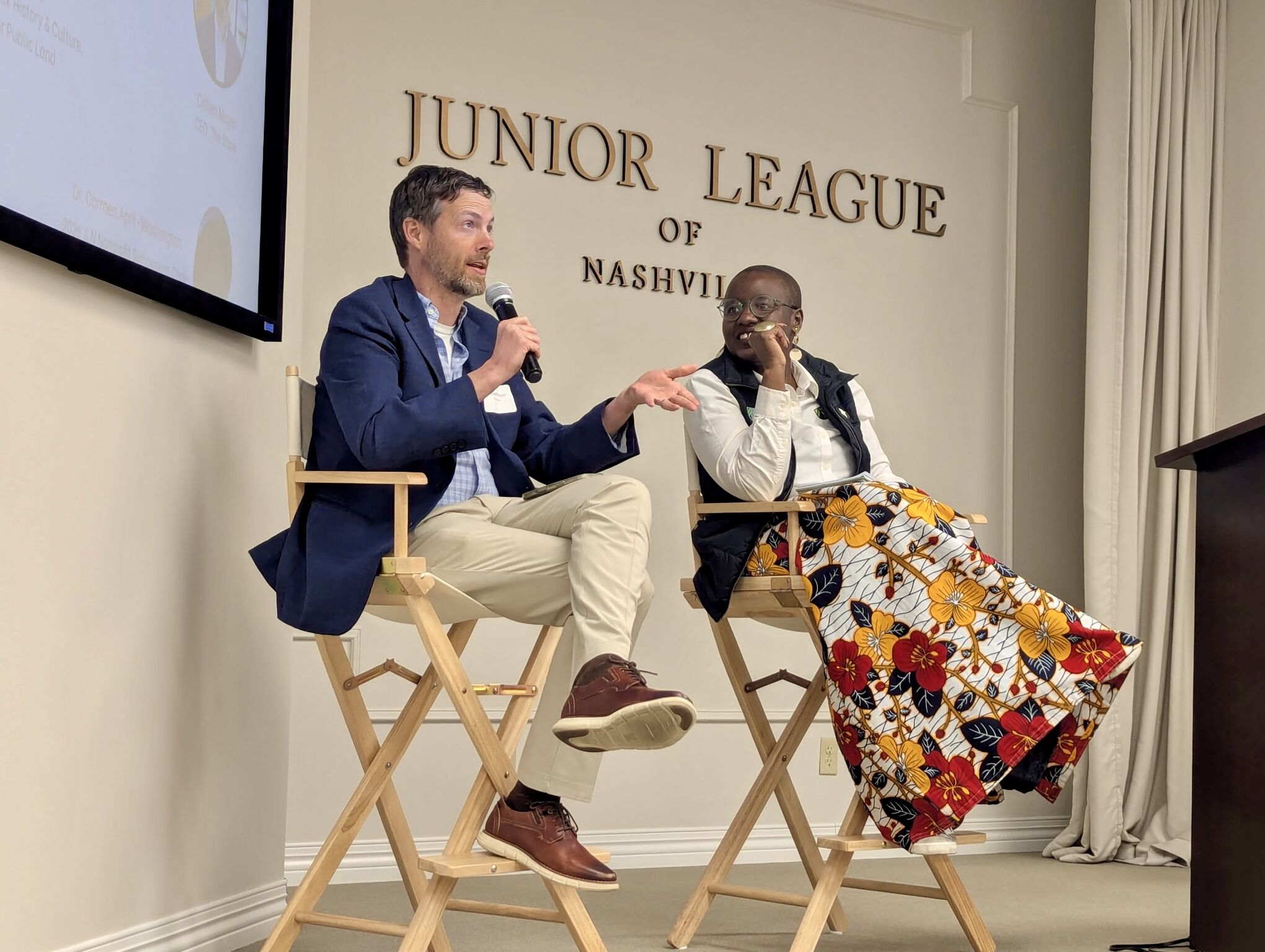
What has changed most in the nonprofit sector over the last 10 to 20 years?That was the question that drove a panel I recently had the privilege to speak at with the Junior League of Nashville.
As we talked it through, one theme kept rising to the surface. The movement from silos and competition to collaboration.
There was a time when nonprofits often worked in separate lanes. Each organization focused on advancing its own mission, funding, and results. But more and more today, what I see across our sector is a shared commitment to collective impact.
At The Store, that spirit shows up every day. Collaboration is indeed one of our core values. We currently work alongside more than 55 nonprofit partners. Each one brings deep expertise in areas like homelessness, veteran support, mental health, and many others. Together, they surround the neighbors we serve with the support they need to move forward.
When a mission aligned organization asks about partnering with The Store, the question we often hear is: what does it cost to refer our clients to shop?
We are grateful to answer: nothing.We sign a partnership agreement that outlines our shared work together, and then we get to serving neighbors side by side. No competition. No concern about who gets credit. Just shared mission.
Another question came up on the panel: what about other nonprofit organizations addressing the same issue with whom you are in competition.
My answer was the same. At least in the space we operate at The Store, other organizations working on food insecurity are not competitors but partners.
Second Harvest Food Bank of Middle Tennessee helps keep our shelves stocked with high quality food. We collaborate regularly with The Nashville Food Project on vendors, space, and community conversations about the deeper challenges facing our city.
And through our quarterly Core Conversations, we openly share what we have learned about The Store model with other nonprofits, churches, and community groups looking to replicate it. We are glad to share all our “trade secrets”. We are an open book. If someone wants to address food insecurity with dignity and choice, we will be their biggest champions.
Moments like this recent Junior League panel remind me how far the nonprofit sector has come.
And more importantly, why collaboration matters.
Because when organizations work together instead of competing, our neighbors facing food insecurity, homelessness, and poverty are the ones who benefit most.
Over the past two decades, the nonprofit sector has undergone a powerful shift - from working in silos to embracing collaboration. In this reflection, we explore how partnerships across organizations are creating stronger, more holistic support systems for neighbors facing food insecurity and other challenges. At The Store, this commitment to collaboration is at the heart of our work because when organizations come together, communities thrive.
More from The Store
Standing in the Gap: The People Behind The Store Experience
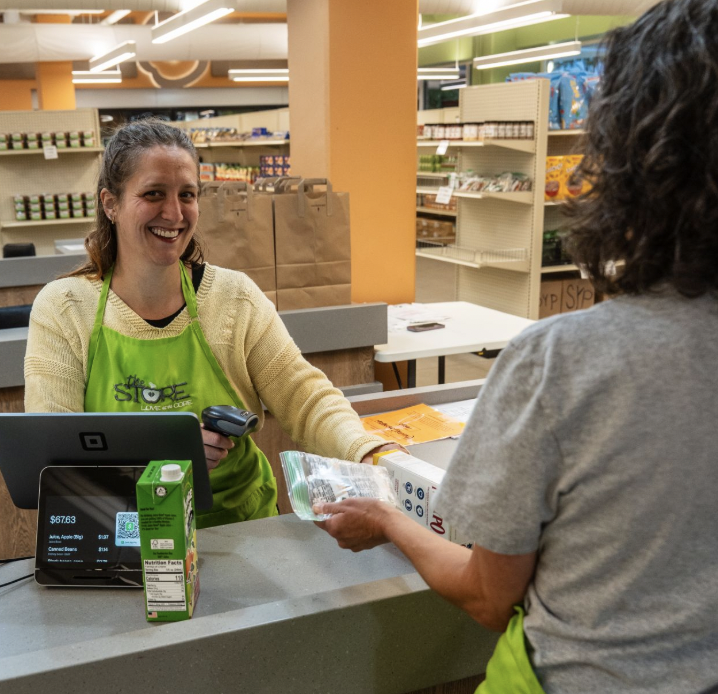
When summer volunteer shortages stretched The Store’s team, staff and volunteers stepped in wherever they were needed. The result? Our customers didn’t notice a difference—a powerful reflection of the people committed to making dignity, choice, and care non-negotiable.
Read More.JPG)
Building the Next Generation of Leaders at The Store
Applications are open for The Store’s Young Professionals Board, a two-year opportunity for emerging leaders to serve their community, take on meaningful responsibility, and help advance our mission of providing groceries with dignity and choice.
Read More